


























































Microsoft has open sourced its original 1976 6502 BASIC, the code that powered early home computers, marking a historic step in software preservation.
Microsoft has officially released the original 6502 BASIC interpreter source code from 1976 as open source for the first time, marking a major milestone in the preservation of computing history. The release, published under the MIT license, makes all 6,955 lines of assembly source code available on GitHub.
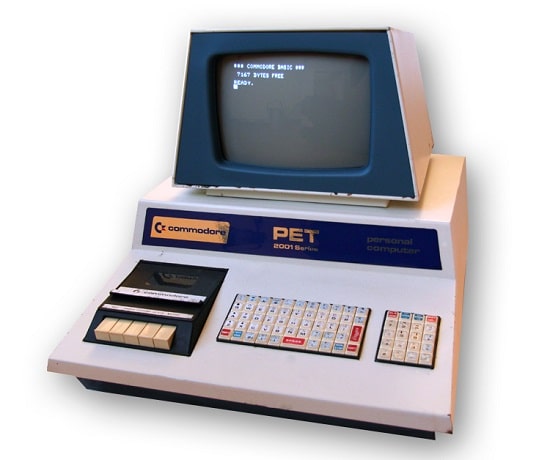
The interpreter was originally developed by Bill Gates and Ric Weiland for the MOS 6502 processor, and later became the foundation for the Commodore PET, VIC-20, and Commodore 64 computers. Millions of users learned to program using this BASIC, which continues to influence the retro computing community today.
Microsoft has chosen to release version 1.1 (1978), which introduced improved memory management in collaboration with John Feagans, a developer at Commodore. This version was distributed as BASIC V2 on the Commodore PET and remains preserved in ROM archives, emulators, and computer museums worldwide.
The open source release also includes well-documented Easter Eggs from Bill Gates. Hidden features such as the STORDO and STORD0 labels are present, along with the famous command WAIT 6502,1, which causes the word “MICROSOFT!” to appear on a Commodore PET running BASIC V2. Gates publicly confirmed these Easter Eggs in 2010.
Microsoft emphasised the historical importance of 6502 BASIC in shaping its earliest software contributions while acknowledging the role of the retro computing community, FPGA projects, and emulator developers in preserving the code over the decades.
This announcement follows Microsoft’s 2020 decision to release GW-BASIC (1983) as open source, further highlighting the company’s ongoing commitment to archival access, education, and experimental reuse of legacy software.