






























































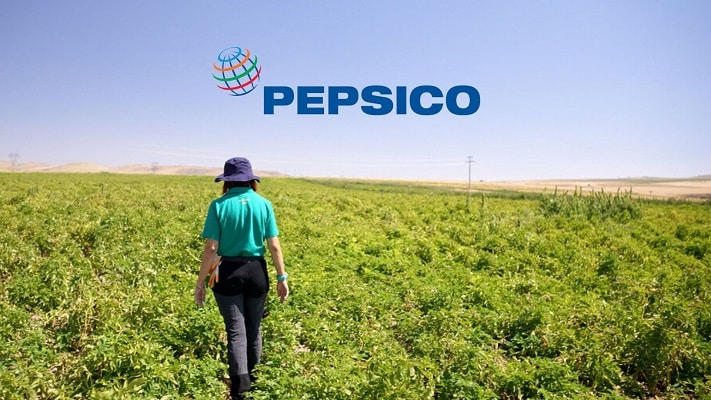

PepsiCo has enhanced its open source Climate Resilience Platform to help farmers anticipate climate risks, improve crop yields, and accelerate regenerative agriculture through shared data and global collaboration.
PepsiCo has expanded its Climate Resilience Platform (CRP), an open access, open-source tool designed to help farmers plan for and adapt to the effects of climate change. The platform translates climate research into actionable insights, enabling agricultural communities to anticipate yield risks and implement targeted interventions for stronger climate resilience.
Developed in partnership with the Alliance of Bioversity International and the Foundation for Food and Agriculture Research (FFAR), which contributed $1 million, the updated platform marks a significant step toward open collaboration in climate adaptation. Two new partners, Bonsucro, a non-profit focused on the sugarcane industry, and Olam Agri, a global food, feed, and fibre business, have joined the initiative, contributing both data and funding to enhance the tool’s reach and utility.
The CRP now covers additional geographies and crops, including cotton and rice, reflecting PepsiCo’s intent to make the platform relevant to diverse agricultural systems. Upgrades also include improved data accuracy, relevance, and user accessibility across regions.
PepsiCo has tied this open source effort to its broader regenerative agriculture goals, increasing its target to 10 million acres by 2030, up from seven million previously. The company aims to drive the adoption of regenerative, restorative, and protective practices across its global supply chain.
“By helping translate science into actionable insights, we aim to empower stakeholders across the food and agriculture system to make informed decisions, strengthen supply chains and accelerate the shift to regenerative agriculture,” Margaret Henry, Vice President for Sustainable and Regenerative Agriculture, PepsiCo.
Researchers warn that climate change could reduce global calorie yields from staple crops by 24% by 2100, underscoring the urgency of open, collaborative adaptation initiatives like CRP.