





























































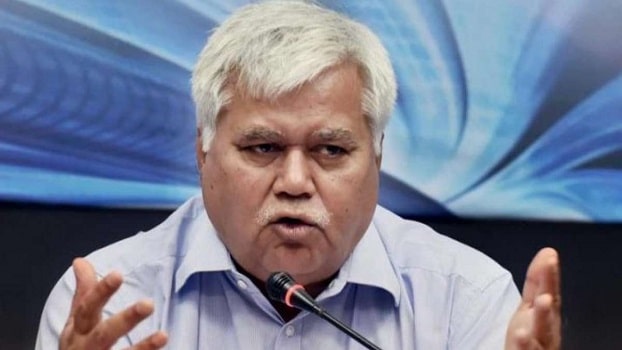
Ram Sewak Sharma proposes applying open source digital public infrastructure principles to break silos and enable inclusive, interoperable energy management across India’s power grid.
Ram Sewak Sharma, Chair of the India Energy Stack Task Force and Former Mission Director of UIDAI, has outlined a plan to apply digital public infrastructure (DPI) principles to India’s power sector, following their success in UPI and ONDC.
Sharma emphasised that Scalability, Unbundling, Open Source, Open Standards, and Interoperability—the core principles behind India’s digital success—can revolutionise energy distribution.
“So, Scalability, Unbundling, Open Source, Open Standards, and Interoperability—all these concepts that we learnt in digital public infrastructure. We have used it in Open Network for Digital Commerce (ONDC), we have used it for Ayushman Bharat and Digital Mission. So we think we can enable the same principles of digital public infrastructure in the power sector also.” — Ram Sewak Sharma
Currently, each power distribution company (discom) relies on proprietary software, creating data silos and limiting efficiency. Sharma proposes creating common components and uniform communication channels that allow both large producers like NTPC and small rooftop solar households to participate. This could even let households sell excess energy to the grid.
Technologies such as AI for forecasting and renewable integration, blockchain for peer-to-peer energy trading and carbon credit verification, and robust cybersecurity frameworks are key enablers.
Implementing DPI in the power sector could dramatically enhance efficiency, interoperability, and inclusivity, transforming India’s electricity distribution into a scalable, standardised, and open-source ecosystem that supports modern, transparent, and secure energy management.