























































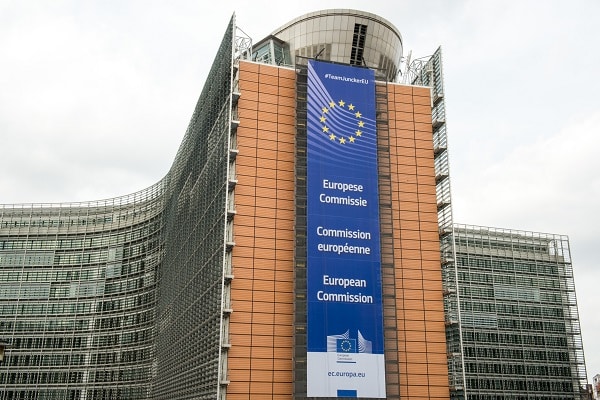
The European Commission is preparing a new strategy to scale European open source software into commercially viable alternatives to US tech, aiming to retain value within the EU and strengthen digital sovereignty.
The European Commission is moving to commercialise European open source software as a central pillar of its push for greater digital sovereignty, according to a newly published consultation. The objective is to help European open source projects scale into commercially viable alternatives to dominant US technology providers.
Open source software is seen as critical to this ambition because it decentralises development, reduces reliance on technology gatekeepers, and enables the reuse, modification, and adaptation of source code. While the Commission acknowledges that existing EU support for open source research has delivered positive outcomes, it warns that research funding alone is not sufficient to help European projects compete at scale.
The consultation highlights a growing concern that “much of the value generated by open-source projects is exploited outside the EU, often benefiting tech giants”, across both public and private sector contracts.
Feedback from the consultation will inform a new open source strategy to be released alongside the Cloud and AI Development Act (CAIDA), expected in the first quarter of 2026. The strategy will focus on community upscaling, industrial deployment, market integration, and the commercial viability of open source innovations.
Planned measures include improving governance models, strengthening open source supply chain security, and ensuring the financial sustainability of organisations behind key projects through public sector partnerships and long-term revenue models. The Commission also aims to boost public sector adoption of open source software and encourage public bodies to contribute back to the projects they use.
Ultimately, the strategy is intended to help replace “the most expensive or excessively data-extractive proprietary stacks on the EU market”, reinforcing Europe’s technological and economic autonomy.