





















































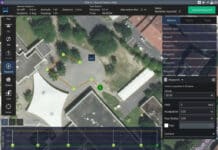




US intelligence alleges Chinese AI firm MizarVision’s open-source satellite imagery and military-grade tagging tools helped Iran prioritise US base targets, exposing how commercial OSINT can now compress the battlefield kill chain.
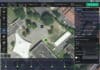
Open source geospatial intelligence is emerging as battlefield-grade targeting infrastructure after US intelligence alleged that Chinese AI company MizarVision published AI-enhanced satellite imagery of US military bases in the Middle East, complete with tagging metadata for aircraft, radar, ships, air defence systems, and base layouts.
According to the Pentagon’s assessment, the Islamic Revolutionary Guard Corps (IRGC) used the publicly accessible data for missile and drone target prioritisation, turning commercial OSINT into operational strike intelligence and potentially endangering US and allied troops, including Australian personnel in the region.
The company’s own stated mission sharpens the open-source angle: “We believe that the power of open source can democratize and universalize geospatial intelligence.” That democratisation now appears to extend to military-grade AI tagging capabilities once reserved for national intelligence agencies.
The assessment gained urgency after MizarVision repeatedly posted imagery of Saudi Arabia’s Prince Sultan Air Base in the week before the conflict. On February 24, Patriot air defence positions were identified; on February 27, dozens of aircraft locations were tagged. Less than 48 hours later, the base was struck, with US intelligence saying the specifically identified capabilities later became targets.
The AI platform can reportedly classify aircraft types, navy ships, radar systems, drone carriers, air defence deployments, and vessel routes across vast areas. Analysts warn this reflects a major capability shift, where state-grade intelligence workflows are now accessible through commercial open-source AI tooling.
Concerns deepen because MizarVision reportedly has 5.5% Chinese government ownership and has also published imagery tied to Israeli positions, Diego Garcia deployments, Australian naval movements, and even TSMC’s semiconductor plant construction, widening the issue from conflict OSINT to strategic industrial surveillance.