


























































Debian 13 ‘Trixie’ launches with RISC-V support
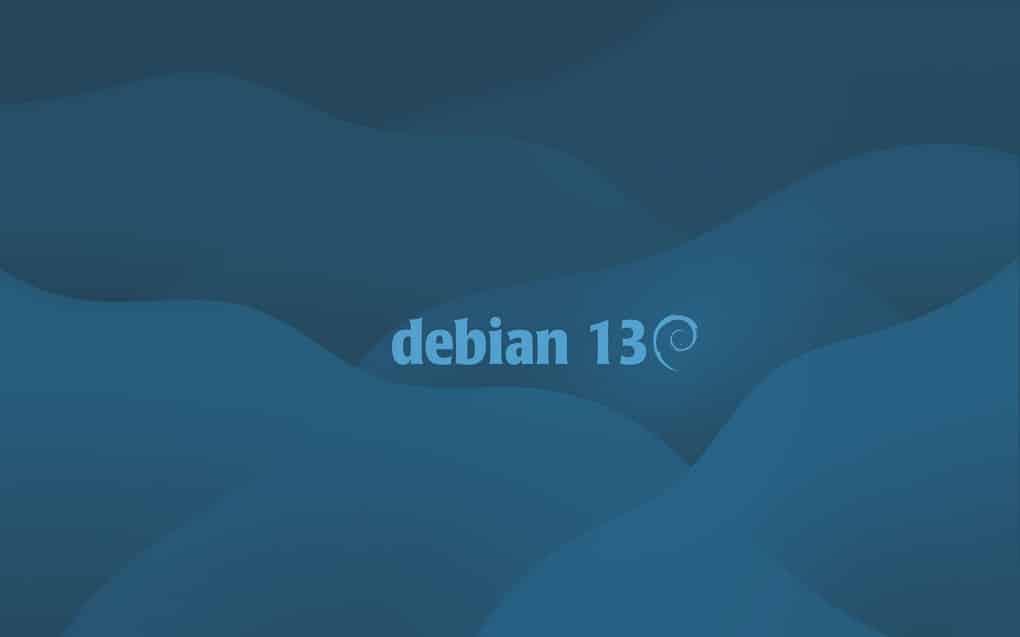
Debian 13 ‘Trixie’ has been released after two years of development, marking a milestone for one of Linux’s most influential distributions. The update delivers official RISC-V support, the Linux 6.12 LTS kernel, APT 3.0, and thousands of new packages, further extending Debian’s reach across desktops, servers, and embedded devices.
Trixie adds more than 14,000 packages compared to Debian 12 ‘Bookworm’ and will be supported until 2030, with three years of standard maintenance followed by two years of long-term support. The release, codenamed after a Toy Story character, brings improvements that will ripple across the wider Linux ecosystem — including Ubuntu, Linux Mint, and many other Debian-based distributions.
RISC-V takes centre stage
For the first time, Debian now officially supports the riscv64 architecture, enabling installations on RISC-V single-board computers with full access to the Debian package repository and development tools.
In recent years, RISC-V has gained traction in embedded systems, IoT, and even data centre hardware, thanks to its open-source instruction set architecture. Debian’s official backing strengthens its case for production use, offering a stable, well-known Linux environment on this emerging platform.
This development comes as Ubuntu 25.10 increases its hardware requirements for RISC-V, leaving older devices unsupported. For owners of legacy RISC-V boards, Debian 13 offers a dependable alternative.
Architecture changes: Gains and losses
While RISC-V gains ground, other architectures see reduced support. For i386 systems, compatibility is now limited to legacy purposes — 32-bit packages require a 64-bit processor with SSE2, and no kernel or installer is provided for purely 32-bit setups. Upgrades from 32-bit Bookworm systems are not supported.
MIPS architecture support has been retired, while ARM64 gains enhanced security with Pointer Authentication (PAC) and Branch Target Identification (BTI) to mitigate certain code injection threats.
Kernel and installer updates
Debian 13 ships with the Linux 6.12 LTS kernel, bringing real-time PREEMPT\_RT support, optimisations for Intel Arrow Lake and Lunar Lake processors, AMD RDNA 4 graphics support, Raspberry Pi 5 compatibility, and improved laptop hardware handling.
The installer has also evolved. It now supports HTTP Boot on UEFI and U-Boot systems, allowing installations directly from the internet without removable media. Btrfs rescue capabilities have been added for systems set up via the Calamares installer, and Apple ARM-based MacBooks gain support for MTP and SPI keyboards. Secure Boot handling is improved on AMD64 and ARM64.
Desktop experience and new defaults
GNOME 48 remains the default desktop environment, offering digital wellbeing tools, HDR display support, dynamic triple buffering, centred windows, improved power efficiency, and notification grouping. Several applications have been refreshed: Loupe replaces Eye of GNOME, Snapshot replaces Cheese, and Music replaces Rhythmbox. Transmission is no longer preinstalled but is still available in the repositories.
Other desktop environments include KDE Plasma 6.3, LXDE 13, LXQt 2.1.0, and Xfce 4.20. Debian Blends — tailored software collections for specific fields like science or education — can now be installed directly through the installer.
Debian 13 also introduces the ‘Ceratopsian’ theme by Elise Couper, chosen through the Debian artwork contest. The design, inspired by *Toy Story*’s Trixie and previous Debian themes, appears across wallpapers, boot screens, the installer, and login interfaces.
APT 3.0 overhaul
APT 3.0 makes system management more user-friendly and efficient. It features a new dependency solver, colour-coded output (green for installs/upgrades, yellow for downgrades, red for removals), better-organised column output, and a `modernize-sources` command to update old repository formats.
Backend improvements include replacing GnuTLS with OpenSSL for stronger cryptographic support, and `apt distclean` to remove cached package lists. These refinements are aimed at improving both usability and reliability.
Additional notable changes
- `/tmp` now defaults to tmpfs on fresh installations, storing temporary files in
- RAM and clearing them after 10 days (30 days for `/var/tmp`).
- 64-bit timekeeping (t64) implemented to avoid the Year 2038 problem.
- HTTP/3 and `wcurl` support added to curl.
- Spellcheck support in Qt WebEngine browsers using hunspell.
- OpenSSH no longer supports DSA keys.
- The `ping` command no longer runs with elevated privileges.
Availability
Debian 13 is available from 9 August 2025 via the official Debian website. Users can choose between a full 4GB DVD image — complete with GNOME 48 and bundled applications — or minimal netinst images that download packages during setup.
Those upgrading from earlier releases should consult the official release notes for compatibility warnings and detailed instructions.