
























































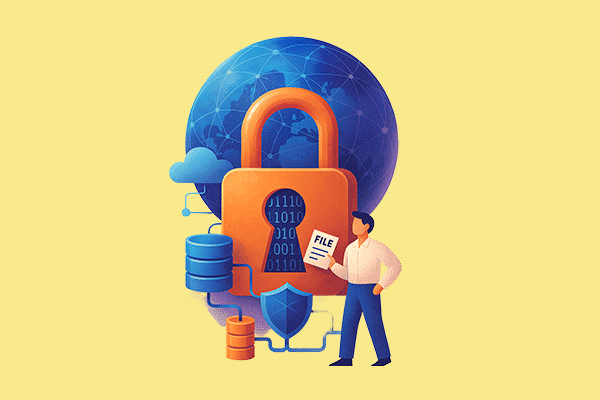

Managing and securing data is no longer a technical backend function. It is a frontline business strategy that can give your business a tremendous boost in the digital era.
We live in a time when data is not just a part of the business — it is the business. Whether by tapping into customer insights, operational efficiencies, or otherwise, data drives almost all the strategic decisions companies make today. However, without good management and protection, this data can become a huge liability.
What is data management?
Imagine a mid-size healthcare technology company has recently launched a telehealth platform. As each patient registers, schedules virtual appointments and submits their medical history, the company accumulates vast amounts of data that include patient demographics, doctor notes, diagnostic reports, chat records, and billing. At first, the data may flow freely into distinct systems for appointments, prescriptions, billing, and so forth, but within months the organisation may be unable to access reliable data consistently, identify duplicated records or even generate a simple report on platform utilisation.
This is where data management comes into play.
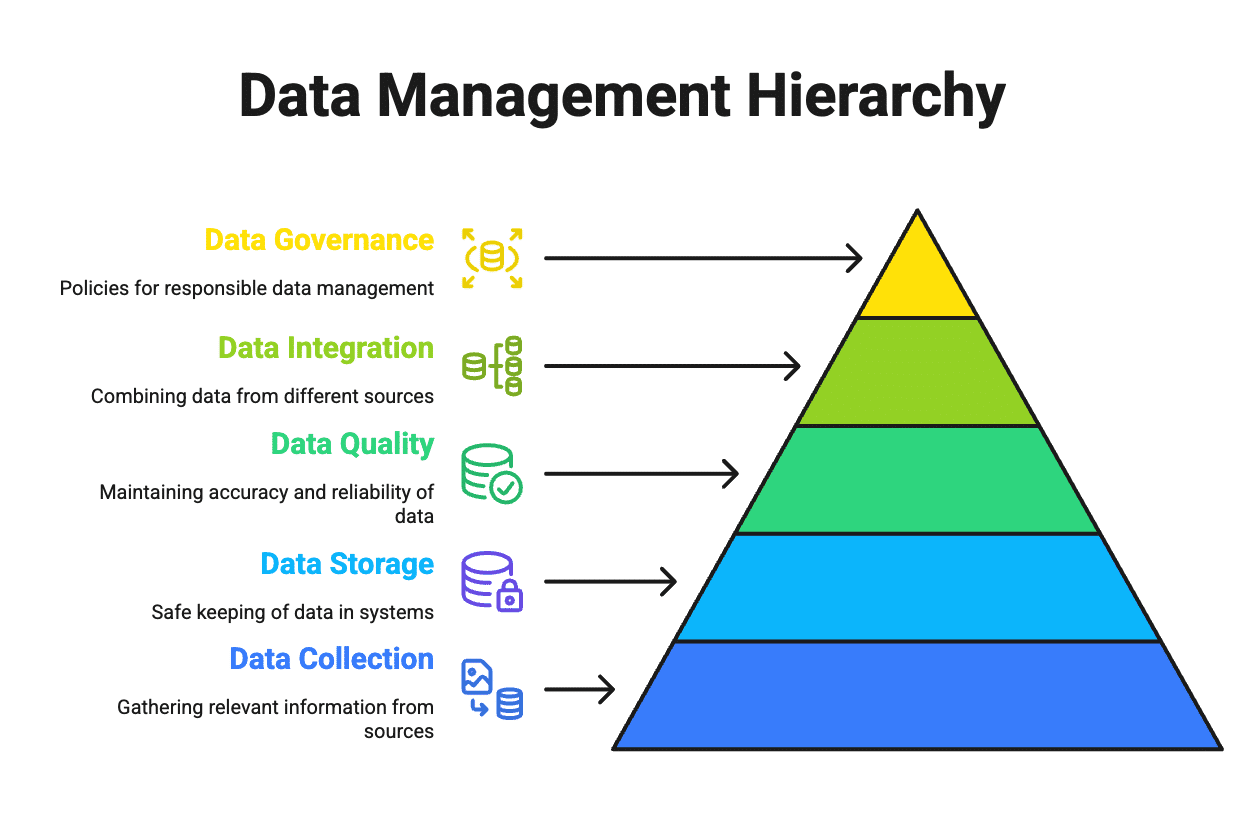
Data management can be defined as the practice of capturing, organising, maintaining, and governing data in a systematic way that allows it to serve as a trustworthy foundation. Without data management processes in place, even the most data-rich organisations will invariably be flying blind.
Effective data management processes guarantee that data isn’t just stored, but that it is also consistent, searchable and usable throughout the organisation. In the telehealth example, this organised approach would entail creating one database where patient records are linked across all systems, so that their data is always current, secure and accessible only to those with the right permissions.
Some of the primary functions of data management include:
- Implementing centralised storage to avoid duplications and loss.
- Implementing data quality enhancements that provide automated notifications about inconsistencies.
- Establishing policies to identify who can access or make changes to certain information.
What is data security?
Now, imagine the same healthcare company has a ransomware attack. The hackers breach their system via a third-party integration point and encrypt all patient records. The company loses complete access to their patients’ vital medical histories and, hence, is in violation of HIPAA regulations. The patients panic and all the trust built over years disappears overnight.
This is why data security isn’t merely a technical layer — it’s a business-critical safeguard.
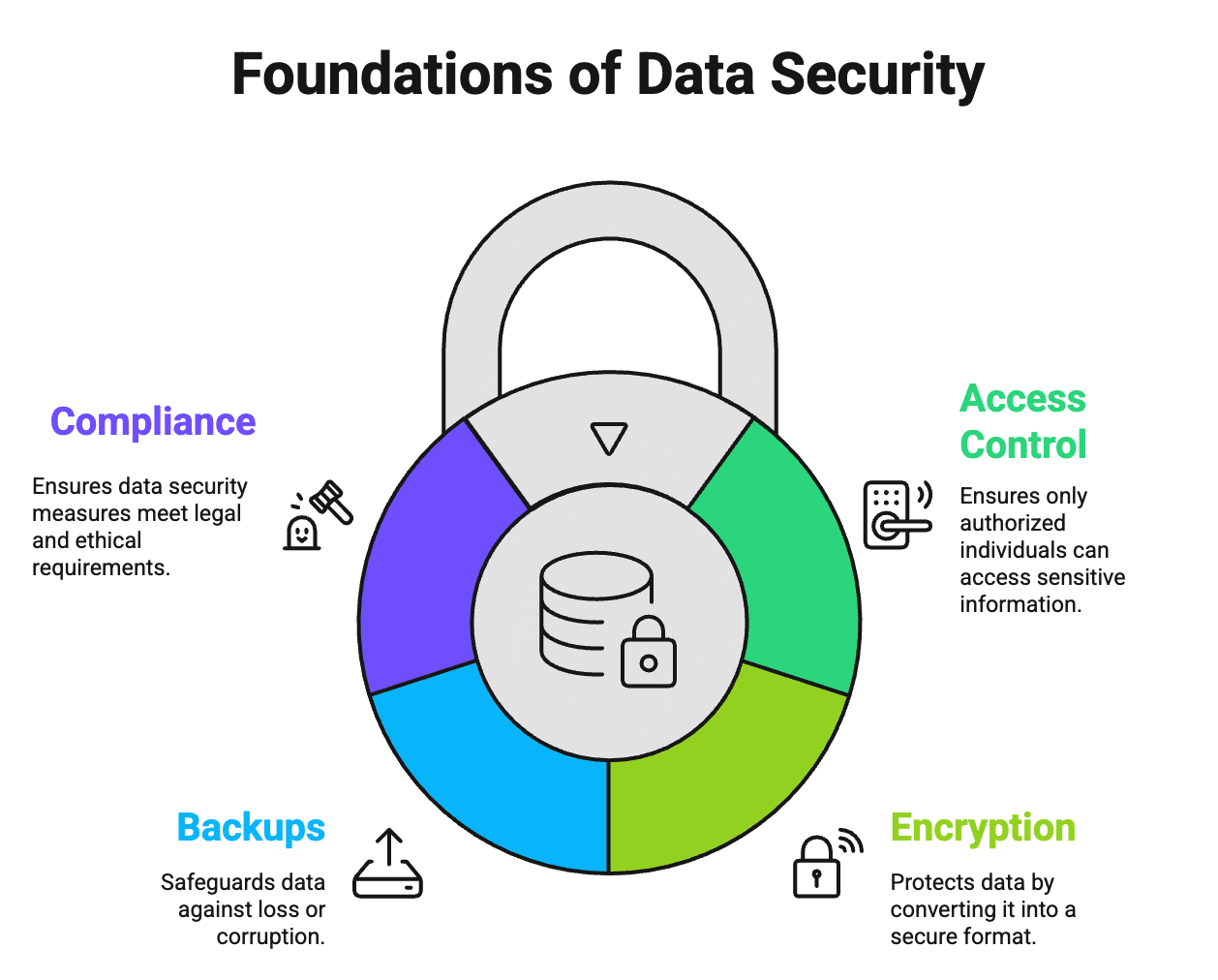
Data security is the practice of safeguarding digital information against unauthorised access, manipulation or destruction. It helps keep sensitive data private and accurate, which can be modified and accessed only by legitimate users.
Data security keeps data safe from cyber attackers, and prevents loss of data as well as its misuse by employees. This includes encrypted records, strict login access rules and policies, and monitoring and documenting data access in real time.
Robust data security depends on three fundamental principles:
- Confidentiality: Sensitive data is accessible only to authorised individuals.
- Integrity: Data should remain the same unless intentionally and appropriately modified.
- Availability: Information must be available when it is needed, especially in emergencies.
Why data management and security matter more than ever
Data volume and complexity are exploding
Today, companies create data from a multitude of sources: websites, mobile applications, IoT devices, and customers. However, managing data is difficult when it grows in size as most departments often use disconnected systems. Therefore, insight gathered across the organisation is limited and decisions are delayed.
Businesses require a consistent, intelligent approach to make sense of the continuing complexity of data.
Cyber threats are at an all-time high
Cyberattacks are now more frequent and damaging. Many companies have experienced significant breaches, including a loss of millions of records, trust and reputation. One breach can wipe out brand equity built over years. This is why data security is fundamental to business continuity today.
Regulations are getting stricter
Legislation is also forcing companies to rethink how they collect and safeguard data. Laws such as GDPR, CCPA, HIPAA, etc, require companies to be transparent, provide safeguards, and gain consent. The penalties for not complying are severe.
Compliance is not just to avoid fines — it is also an opportunity to showcase to customers that you care about their privacy.
Customers expect transparency and trust
Modern customers are more aware of the significance of data than ever before. They want to understand how their data is used and expect companies to be honest and ethical. Companies that do not do so may face the backlash — from social media outrage to customer churn.
A company that can be trusted has a competitive advantage. Good data practices help build that trust and develop loyalty for your brand.
How to build a strong data foundation that works
To leverage data as a true business enabler, businesses need to formulate an intentional, structured plan that takes people, processes, and technology into account. Here’s how organisations can provide a solid foundation for data-driven success and be future-ready.
Step 1: Break the silos and establish a unified architecture
Many organisations are storing data in silos, resulting in inconsistent insights and operational inefficiencies. The first step is to create a unified data architecture that centralises access to data so that every department has access to the same source of truth. Integration can come through modern cloud platforms, application programming interfaces (APIs), or data lakes; either way, integration to unlock value is an imperative.
Step 2: Embed security into every stage of the data lifecycle
Security cannot be an afterthought. It must be baked into every stage in the data lifecycle from the point data is captured, through to the point where it is archived or deleted. Organisations can utilise zero trust models or privacy by design practices to protect data at each point it’s collected or shared rather than at the controller’s convenience.
Step 3: Make data culture a shared experience
Technology, on its own, will be of little use if people do not develop a shared understanding about the value of data. Developing a data culture is not simply about hiring or developing a data analyst; it’s not even about empowering a data team. It involves working with teams, educating leadership on data-related topics, and working to align the whole organisation to a common set of goals around data. Everyone, from the marketing team to the CEO, must consider data a part of their daily responsibilities.
Step 4: Address monitoring and improvement continuously
Being great with data is not a one-time task. There needs to be consistent effort. Organise frequent auditing, regularly monitor KPIs and do compliance reporting, and ensure in-trust data practices that evolve with changes in business law and regulatory requirements. Remember the ideal is not perfection – it is continuous improvement!
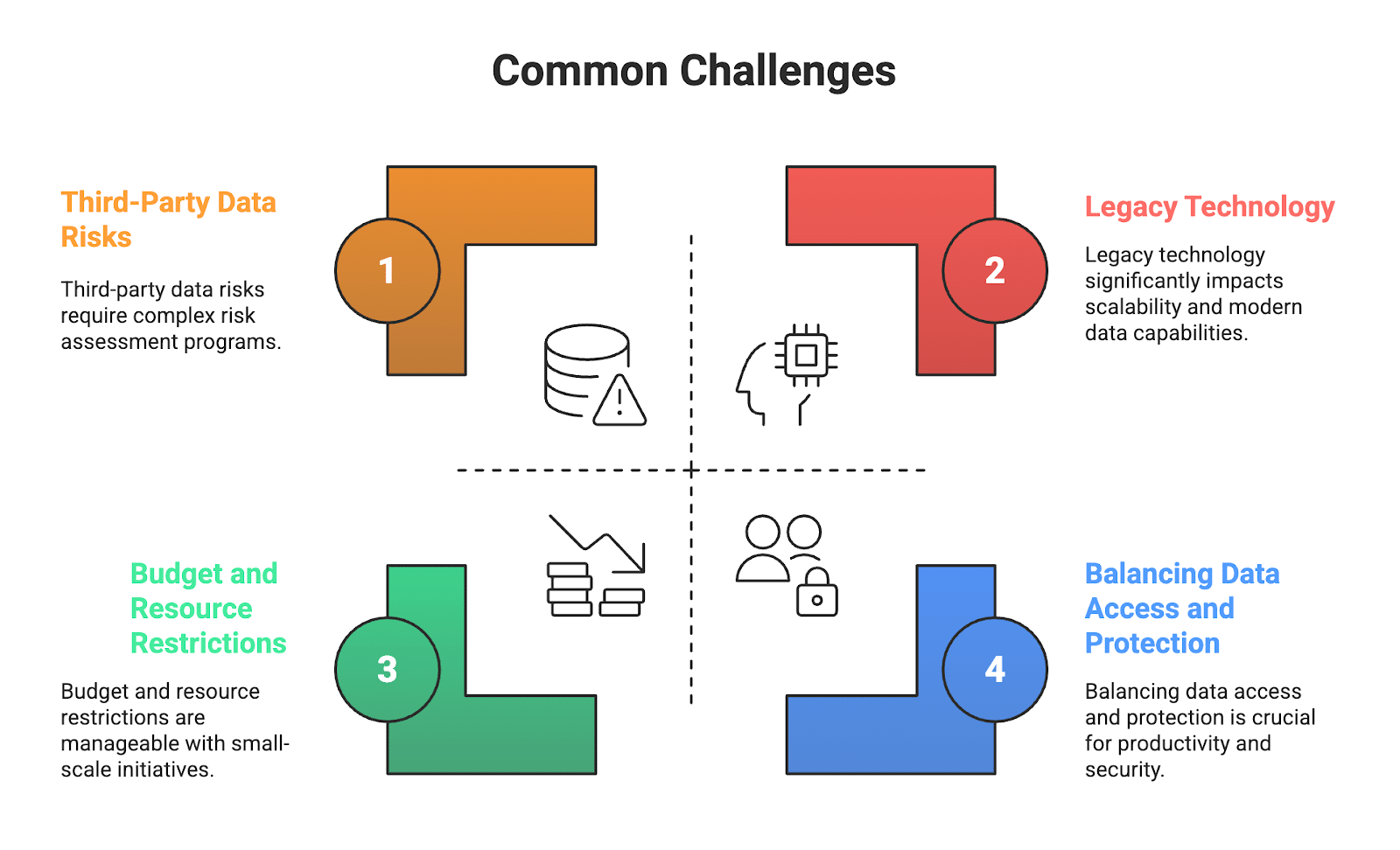
| Challenge | Why it’s a problem | How to tackle it |
| Legacy technology | Outdated technology creates limitations with scalability and often doesn’t allow for modern data capabilities. | Modernise gradually with hybrid environments, APIs, and new data integration tools. |
| Finding the balance between data access and data protection | Limiting access too much may impact productivity; too much access may lead to security problems | Place a role-based access control and data classification framework across the data landscape. |
| Budget and resource restrictions | Data initiatives can be costly and require specific knowledge and just-in-time resources. | Build on high impact, small scale initiatives and leverage the cloud or open source. |
| Third-party data risks | Third-party vendors can put your systems and compliance at risk. | Conduct ongoing audits, apply rigorous contractual vendor agreements, and consider risk assessment programs. |
Common challenges and how to tackle them
Even when using best practices, businesses often face a few challenges when managing and securing data. The table above lists some of the most common challenges and how to address them.
Data is no longer just a byproduct of business — it is the way of doing business. Unified data management, built-in security, and a culture of accountability can convert data into true business value. The companies that will lead are the ones that do not look at data as merely a function of IT but as a way to accelerate growth. The future belongs to those who act now and use data to their advantage.