


























































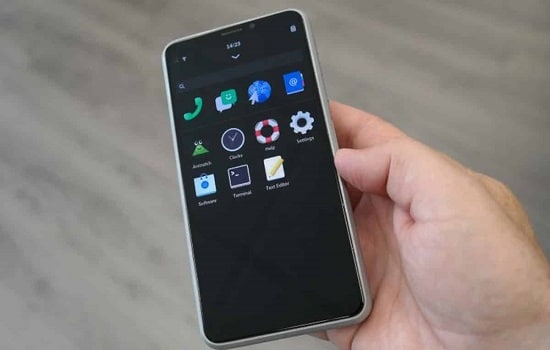
Librephone, backed by the Free Software Foundation, begins a major push to eliminate proprietary firmware from smartphones, aiming to give users truly open source control over their devices.
The Free Software Foundation (FSF) has backed the new Librephone initiative, an ambitious effort designed to remove proprietary blobs from smartphones by reverse-engineering nonfree firmware and replacing them with fully open source alternatives. The project targets the deepest layers of the mobile stack, where closed binaries still lock users into partial openness even when running Android-based systems such as LineageOS, GrapheneOS, and e/OS, or Linux-based options like postmarketOS and Ubuntu Touch.
Today’s open-source mobile operating systems still depend on closed firmware to control essential hardware, which means users operate devices that are only “partially open source”. These proprietary blobs power WiFi, Bluetooth, 4G LTE and 5G modems, touchscreens, fingerprint sensors, and other core functions. Replacing them requires extensive clean-room reverse-engineering while navigating complex regulatory constraints related to radio frequency management.
Librephone is not a new operating system. Instead, it aims to strengthen existing open-source mobile distributions by supplying open firmware replacements. Early work focuses on analysing binary blobs in LineageOS images, spanning devices from OnePlus, Google, Motorola, Xiaomi, Fairphone, Samsung, Sony, and single-board computers from Radxa and Banana Pi.
Initial funding comes from FSF board member John Gilmore, who explains: “I have enjoyed using a mobile phone running LineageOS with MicroG and F-Droid for years, which eliminates the spyware and control that Google embeds in standard Android phones. I later discovered that the LineageOS distribution links in significant proprietary binary modules copied from the firmware of particular phones. Rather than accept this sad situation, I looked for collaborators to reverse-engineer and replace those proprietary modules with fully free software, for at least one modern phone.”
The project now calls for community contributors, documentation support, and continued donations. Lead developer Rob Savoye discusses the roadmap in an accompanying audio interview.