


























































A new open-source design kit simulates how semiconductor components age under long-term radiation, giving engineers clearer insight into device limits for space, medical, and high-radiation electronics.
A new open-source initiative is taking aim at one of electronics’ toughest reliability challenges: radiation-induced faults. From satellites that must survive decades in orbit to CT scanners exposed to high-energy X-rays, modern systems rely on semiconductor devices that can silently degrade or fail when bombarded by radiation. As chips shrink and become more sensitive, the need for transparent, accessible radiation-aware design tools is growing rapidly, especially for smaller companies, labs, and universities that lack access to proprietary modeling data.
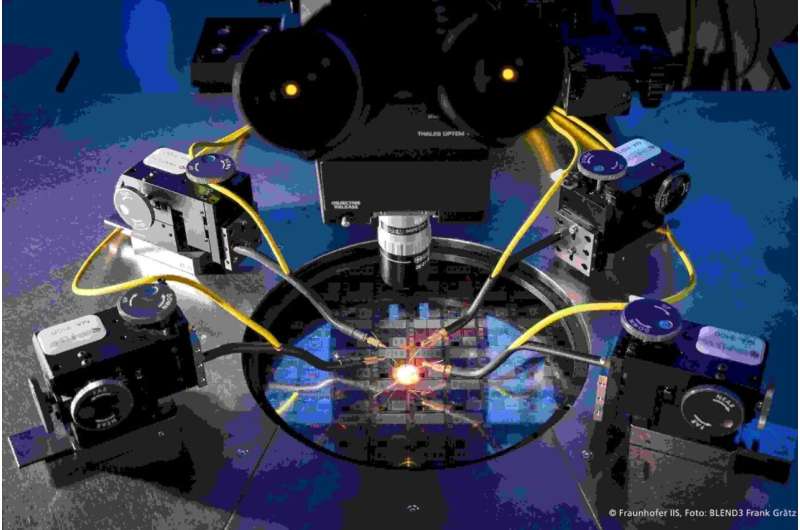
A research team from Fraunhofer IIS has introduced an open design environment that lets engineers simulate how semiconductor components behave and age under long-term radiation exposure. The framework centers on an open process design kit (PDK), providing openly available device characteristics that help designers understand how transistors and circuit elements will drift, degrade, or fail over time. Instead of relying on black-box data from chip vendors, developers gain direct insight into device limits, enabling them to factor radiation effects into the earliest stages of circuit planning.
The project includes lab-based simulations that model how components respond to radiation over a 10-year span. Using measured parameters and mathematical models, the tool predicts degradation paths and highlights weak points likely to trigger faults in real-world applications. This lets chip designers optimize redundancy without over-sizing circuits, a critical advantage as shrinking semiconductor nodes make traditional protection techniques more expensive in terms of area and power.
For open-hardware developers, researchers, and startups, the initiative lowers a longstanding barrier: the lack of accessible, high-fidelity radiation data. By opening up component behavior models, the tool expands who can realistically design electronics for space missions, medical systems, and other radiation-heavy environments. As electronics continue to scale down and deployments push farther into extreme conditions, open-source radiation modeling could become a key enabler of next-generation hardware bringing resilient design capabilities to a much wider community.