

























































OWASP GenAI Security Project unveils its open source Top 10 for Agentic AI, offering global organisations practical guidance to mitigate autonomous AI risks.
The OWASP GenAI Security Project (genai.owasp.org), a global open-source community, today released the OWASP Top 10 for Agentic Applications, the first dedicated resource addressing the unique security risks posed by autonomous AI agents. The project empowers organizations, AI practitioners, and policymakers with actionable guidance for secure deployment and governance of agentic AI systems.
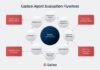
The Top 10 represents the culmination of input from over 100 security researchers, industry practitioners, and leading organisations, with additional evaluation by the GenAI Security Project’s Agentic Security Initiative Expert Review Board, including representatives from NIST, European Commission, and the Alan Turing Institute. Key risks highlighted include Agent Behaviour Hijacking, Tool Misuse and Exploitation, and Identity and Privilege Abuse, reflecting how attackers can subvert agent capabilities or infrastructure.
Scott Clinton, Co-Chair and Co-Founder: “This new OWASP Top 10 reflects incredible collaboration between AI security leaders and practitioners across the industry. The community’s responsiveness has been remarkable, and this Top 10 ensures organisations are better equipped to adopt this technology safely and securely.”
Keren Katz, Co-Lead, Tenable: “Companies are already exposed to Agentic AI attacks – often without realising that agents are running in their environments. Effectively protecting a company against Agentic AI requires not only strong security intuition but also a deep understanding of how AI agents fundamentally operate.”
Additional resources include the State of Agentic Security and Governance 1.0, Agentic Security Solutions Landscape, and Practical Guide to Securing Agentic Applications, all designed to provide open, peer-reviewed guidance for enterprises to mitigate AI risks without proprietary constraints.
The OWASP GenAI Security Project invites global contributors to access, use, and help evolve these resources, reinforcing a community-driven approach to securing the next generation of autonomous AI systems.