








































SUSE has expanded Rancher Prime’s open ecosystem with Liz’s new MCP-based multi-agent framework, enabling third-party tools to plug into AI-driven Kubernetes and infrastructure operations without custom integration code.
SUSE has expanded its open-source Rancher ecosystem into MCP-powered agentic AI infrastructure, turning Liz from a built-in assistant into a multi-agent orchestration layer for enterprise cloud-native operations.
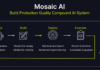
The most significant update is support for Model Context Protocol (MCP), allowing third-party and internal enterprise tools to connect directly to Liz without custom integration work. This lets systems such as ticketing platforms, CMDBs, observability stacks, and security scanners function as specialised agents inside Rancher Prime. The move extends Rancher’s established open cloud-native philosophy into AI-led operations, strengthening SUSE’s open-source infrastructure position.
Liz now coordinates agents across fleet management, security, observability, cluster provisioning, and application lifecycle management, helping reduce operator cognitive load by automating diagnostics, CVE checks, remediation suggestions, and Kubernetes troubleshooting. Importantly, human approval remains the default for all create or modify actions, preserving enterprise-safe control.
“Our open approach to AI and the unification of VM and container management allows customers to capitalize on the potential of AI and redefine their own operational simplicity, ultimately giving them flexibility, choice and control,” said Peter Smails, General Manager, Cloud Native, SUSE.
SUSE also strengthened its broader open infrastructure stack with updates to SUSE Virtualization, built on the open-source Harvester HCI project. New additions include NVIDIA MIG support, VM Auto Balance, Live Storage Migration, and granular upgrade controls, enabling unified management of containers, virtual machines, and GPU workloads.
To deepen community adoption, SUSE has opened part of Application Collection to free-tier users, including base container images, PostgreSQL, and Redis, lowering barriers for developers while expanding its future commercial conversion funnel.