




















































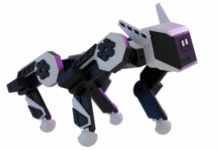






Using the open source collaborative model for robotics has a host of advantages. But there are some challenges too.
Open source robotics has emerged as one of the most dynamic areas in modern automation and AI research. By providing shared frameworks, open architectures, and collaborative innovation, it allows engineers, developers, and researchers across the globe to accelerate progress in automation. However, with its rapid adoption come new challenges related to standardisation, cybersecurity, sustainability, and integration with
proprietary systems.
The rise of open source robotics
Over the past decade, robotics has increasingly embraced the open source model, following the success seen in software ecosystems like Linux and ROS (Robot Operating System). This collaborative model allows organisations to avoid vendor lock-in and focus on modular innovation. Major institutions and tech companies now contribute to repositories that power robotics education, industrial automation, and even healthcare robotics.
Key opportunities in open source robotics
Open source robotics democratises access to technology by lowering the cost barrier for experimentation and deployment. Startups and universities can now build advanced robots using freely available designs, simulation tools, and AI libraries. This fosters cross industry growth — from agriculture and logistics to environmental monitoring and education.
Collaboration and shared innovation:
Open frameworks like ROS and Gazebo create ecosystems where developers worldwide can share improvements and best practices.
Rapid prototyping and scalability:
Open codebases enable faster testing and integration, significantly reducing development costs.
Educational and research advancement:
Academic institutions leverage open platforms to develop robotics curricula and promote applied learning.
Business flexibility:
Companies can adapt open frameworks to suit specific operational needs, allowing customisation without licensing constraints.
Security and reliability challenges
While openness accelerates innovation, it also exposes systems to vulnerabilities. Publicly available source code can be studied not only by innovators but also by malicious actors looking for weaknesses. As robots connect to networks and IoT devices, the risk of intrusion, data theft, and sabotage increases.
Key areas of concern include:
Cybersecurity risks: Lack of regular security audits can make robots vulnerable to attacks or system manipulation.
Inconsistent code quality: Open repositories often vary in maintenance quality, which can compromise performance.
Unverified contributions: Without strict governance, malicious or low-quality code can enter critical systems.
To address these, experts recommend implementing layered security models, code-signing protocols, and routine vulnerability scanning as part of open robotics workflows.
Ethical and operational considerations
Open source robotics also raises ethical and regulatory questions. When autonomous systems are built collaboratively, who bears responsibility for errors or accidents? The open ecosystem must balance freedom with accountability.
Further, operational challenges such as compatibility between hardware, long-term support for open frameworks, and the financial sustainability of community-driven projects must be addressed for continued growth.
Integrating open and proprietary systems
Hybrid models are emerging where open source platforms integrate with proprietary technologies for commercial deployment. This approach allows businesses to leverage the flexibility of open innovation while maintaining data security and brand control. For example, companies can use open source ROS for research and testing but deploy production versions with enterprise-level security and compliance layers.
The future landscape of open source robotics
Looking ahead, open source robotics is expected to play a critical role in autonomous mobility, smart manufacturing, and AI-driven systems. The growing synergy between robotics and cloud computing will make open platforms more scalable and accessible globally. Collaboration among developers, academia, and policymakers will be essential in ensuring that open source robotics evolves responsibly.
Open source robotics has democratised the field of robotic innovation by making advanced tools and knowledge accessible to a global community. Its open frameworks enable developers, researchers, and startups to design, test, and deploy intelligent systems faster than ever before. However, with this openness come shared risks and responsibilities, such as ensuring cybersecurity, reliability, and the ethical use of open source technology. All these factors should remain central to every stage of development.
To unlock maximum opportunities, users need to adopt standardised security practices, leverage transparent design principles, and engage actively to build trust, foster collaboration, and ensure long-term system integrity.