






















































The European Union is launching a major open source review to reduce dependence on U.S. tech giants, positioning open software as a cornerstone of digital sovereignty, security, and long-term competitiveness.
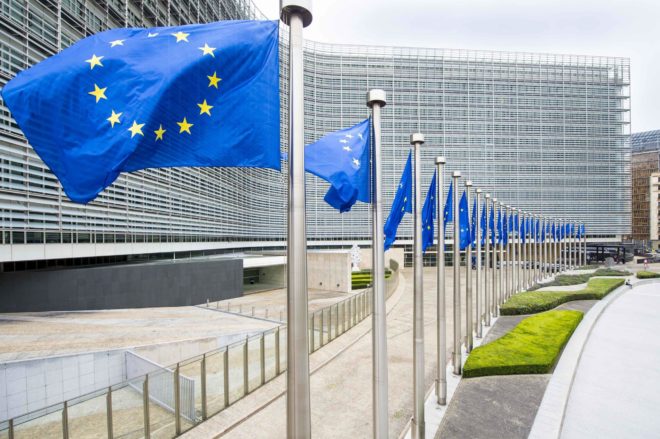
The European Union is preparing a sweeping review of its open-source ecosystem as part of a broader effort to curb U.S. technology dominance and reinforce digital sovereignty. The European Commission has issued a formal call for evidence to assess the state of open-source software in the EU and examine how strengthening European open source developers could reduce reliance on American technology firms.
According to the official call, “The EU faces a significant problem of dependence on non-EU countries in the digital sphere. This reduces users’ choice, hampers EU companies’ competitiveness, and can raise supply chain security issues as it makes it difficult to control our digital infrastructure (both physical and software components), potentially creating vulnerabilities, including in critical sectors.”
While acknowledging that Europe hosts one of the world’s largest and most active open-source developer communities, EU officials noted that much of the economic value generated by these projects is captured outside the bloc, often benefiting major global technology companies.
The review aims to move beyond the EU’s 2020–2023 open-source strategy, shifting focus from standards to a tighter alignment of open source with digital sovereignty, transatlantic competitiveness, and industrial and geopolitical resilience. Lawmakers have identified structural barriers facing European open source stakeholders, including high entry thresholds, limited access to public procurement, growth capital, support systems, and hosting infrastructure.
Policy and funding measures under consideration include strengthening open source software supply-chain security, improving governance frameworks to support adoption and scaling, and expanding public-sector use. “Strengthening this ecosystem is a strategic investment in the EU’s long-term technological capacity, competitiveness, and sovereignty,” the call to action states.
AI has emerged as a particular concern, with Paris-based Mistral AI cited as a leading open-source example. Despite its success, Microsoft’s minority stake in the company has intensified EU fears over foreign influence, even as CEO Arthur Mensch has stressed the firm’s independence and founder control.