




























































Open source terminal emulator Ghostty has shifted to a non-profit funding model under Hack Club to ensure long-term transparency, user trust, and freedom from VC-driven monetisation pressures.
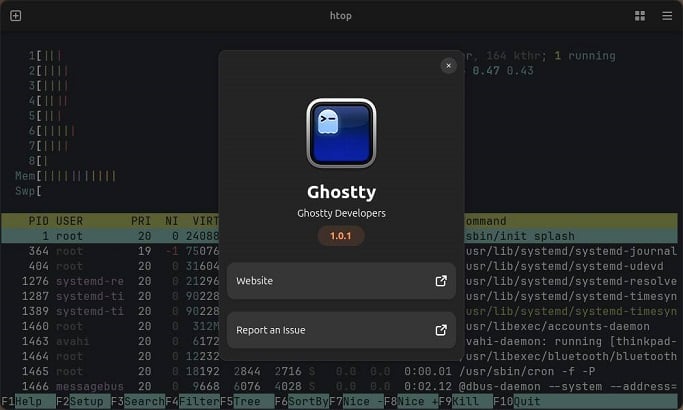
Ghostty, the open source, GPU-accelerated terminal emulator created by HashiCorp co-founder Mitchell Hashimoto, has moved to a non-profit funding and governance model aimed at protecting its long-term role as community-first developer infrastructure.
While Ghostty itself is not a legal non-profit, it is now fiscally sponsored by Hack Club, a registered 501(c)(3) non-profit. Under this arrangement, Hack Club accepts donations on Ghostty’s behalf using its tax-exempt status and manages compliance, accounting, financial governance, and oversight. Funds are explicitly earmarked for the project and cannot be used for the creator’s personal benefit.
The shift is designed to strengthen open-source stewardship and public trust. Hashimoto, writing on his blog, said, “…infrastructure of this kind should be stewarded by a mission-driven, non-commercial entity that prioritizes public benefit over private profit.” He added, “That structure increases trust, encourages adoption, and creates the conditions for Ghostty to grow into a widely used and impactful piece of open-source infrastructure.”
Hashimoto remains project lead, retains authority over all technical decisions, and continues as Ghostty’s largest donor. Importantly, the governance change does not alter Ghostty’s MIT licence or its technical roadmap, which remains focused on improved Ghostty GUI releases and the development of libghostty. “Nothing changes for Ghostty,” Hashimoto said.
As part of the transition, applicable names, marks, and intellectual property associated with Ghostty are being transferred to Hack Club, ensuring the project can outlive its original creator. Hashimoto noted that the new structure “lays the groundwork for an eventual future beyond this model”.
By adopting a non-profit framework, Ghostty explicitly rejects venture capital funding, monetisation-driven feature creep, AI pivots, and acquisition risk—positioning itself as durable, transparent, and community-aligned open-source infrastructure rather than a commercial product.