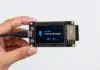


















































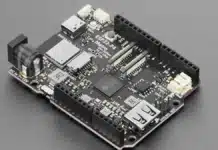


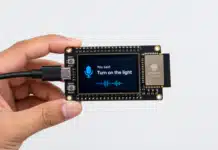
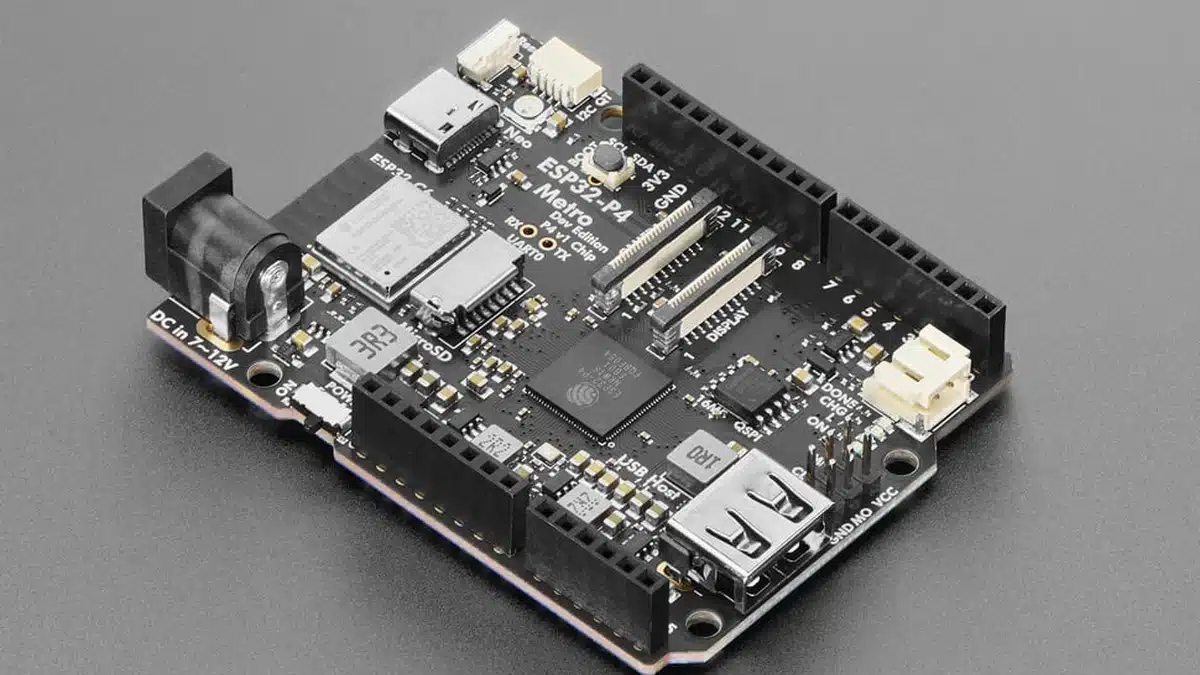

The open-hardware Adafruit Metro ESP32-P4 Hydra combines dual-core RISC-V processing, Wi-Fi 6 and Raspberry Pi-compatible camera and display interfaces in a development board.
Adafruit’s Metro ESP32-P4 Hydra offers the integration of camera, display, and wireless connection functionalities. The Adafruit board is based on Espressif’s ESP32-P4 and ESP32-C6 SoCs and features local computing capabilities along with Wi-Fi 6 and Bluetooth Low Energy connectivity. Adafruit also offers developers a number of tools to use in exploring the design. With a familiar header arrangement and connectors for a camera and display, the Metro ESP32-P4 Hydra allows users to go beyond the basic microcontroller board functionality.
The primary processing functions of this device are performed by the ESP32-P4 that features two 32-bit RISC-V cores with a clock speed of 360MHz along with 16MB of PSRAM memory and 16MB of QSPI NOR flash memory on the same board. The image processing is done with hardware acceleration as well as H.264 and JPEG coding/decoding capabilities. Meanwhile, the companion ESP32-C6 chip provides Wi-Fi 6 2.4GHz, Bluetooth LE 5.3 and IEEE 802.15.4 connectivity that can be used for Zigbee and Thread networking but may also require firmware implementation for the latter ones.
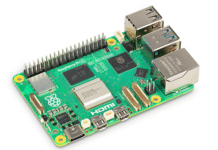
With respect to cameras and displays, there are distinct two-line MIPI CSI and DSI connectors of the type with the Raspberry Pi accessories using a 22-pin connector. The supported devices include Raspberry Pi Touch Display 2 models as well as the camera modules with OV5647 image sensors. Newer versions like the Raspberry Pi Camera Module 3 with IMX708 image sensors are not supported. The other available interfaces include USB 2.0 High-Speed Host port, microSD card socket, STEMMA QT connector and Arduino Uno expansion headers supporting I2C devices. With such a variety of interfaces, the board is good for experimenting with the camera interface and the local image processing systems.
The open-hardware approach gives developers a starting point for adapting the board to their own embedded projects, while its software ecosystem is still developing. The board supports Espressif’s ESP-IDF framework and TinyUF2 drag-and-drop firmware updates over USB. Support has also appeared in the CircuitPython 11 development series, although the ESP32-P4 port remains in alpha, and Adafruit has said Arduino support is in progress. Developers can use these software resources to investigate the hardware, test peripherals and build custom applications, but compatibility should be checked against the current state of each framework rather than assumed across all environments.
The Metro ESP32-P4 Hydra measures 72.3 × 53.3mm and accepts power through USB-C, a 7–12V DC barrel jack or a single-cell LiPo battery connector with onboard charging and voltage monitoring. For makers and embedded developers, its combination of open-hardware resources, wireless connectivity and camera interfaces offers a flexible base for prototyping without moving immediately to a single-board computer.