



























































CERN has released its open-source colibri library, giving FPGA developers access to reusable, vendor-independent VHDL components.
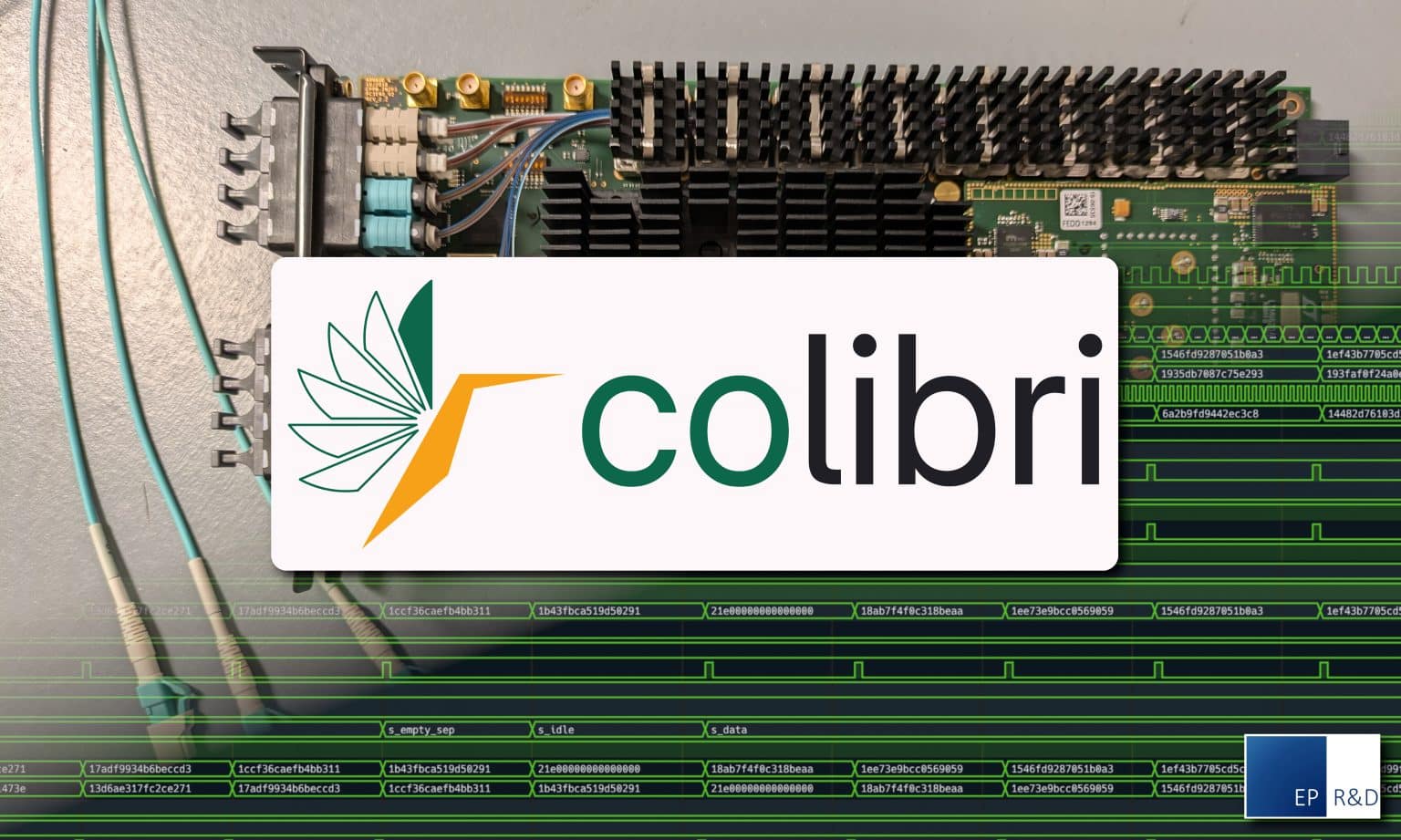
CERN has released colibri, a VHDL common library developed to make FPGA gateware more portable, reusable, and easier to verify. The library contains more than 100 RTL components written in VHDL-2008, covering functions such as FIFOs, RAMs and data manipulation. CERN is now making the library available to the wider FPGA community for use and contributions.
The project was started around four years ago after CERN developers identified challenges in maintaining different, project-specific gateware tools. FPGA designs also had to account for differences between vendors, creating additional complexity when moving designs across platforms. Colibri was developed to consolidate these efforts around reusable and standardised components.
Open source, vendor independence and verification form the three core principles behind colibri. CERN has released the library under the CERN Open Hardware Licence – Weakly Reciprocal 2.0, allowing the wider firmware development community to use and contribute to it. Its vendor-independent approach is designed to let developers evaluate designs across different FPGA platforms without being tied to a specific vendor environment.
Verification is another key part of the project. The library’s components include self-checking testbenches and, where applicable, formal verification harnesses. CERN says this approach is intended to improve confidence in the reusable components while making them suitable for integration into different FPGA projects. The library is actively maintained, with new components added regularly.
Colibri was first adopted by the LHCb Experiment Data Acquisition team for an upcoming upgrade and is now being used in more than 10 projects, including projects outside CERN. Following its fourth anniversary, CERN has opened the library to the global FPGA community, enabling developers to integrate its VHDL components into their own projects and contribute improvements to the codebase.