




















































Women makers are turning Raspberry Pi-based cyberdecks into a fast-growing open-source hardware movement, using DIY computing, local AI and self-hosted systems to reclaim control from surveillance-driven technology platforms.
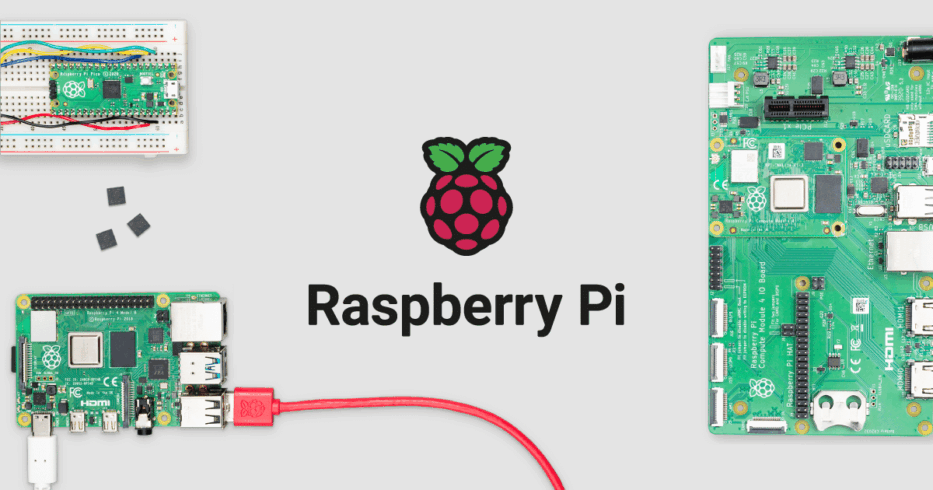
A growing community of makers is embracing cyberdecks—DIY custom computers built around open hardware and Raspberry Pi platforms—as an alternative to the closed, heavily controlled ecosystems of large technology companies.
The movement is rooted in open-source values, with builders using self-hosted systems, custom operating systems and local AI deployments while openly sharing build guides, tutorials and hardware designs. Advocates say cyberdecks give users greater ownership, transparency and control over their devices while reducing dependence on surveillance-oriented technologies.
One prominent creator, CC, who describes herself as an “open source baddie”, has helped popularise the trend through tutorials on her blog, Bimbo Tech. Despite having no formal software engineering background, she documents projects designed to help more women enter hardware and computing. Her Raspberry Pi-powered seashell cyberdeck functions as a Tamagotchi, e-reader, markdown editor, server monitor and terminal connected to personal servers and a local AI setup.
The trend is being fuelled largely by women sharing highly personalised creations across social media, blending hardware, fashion and art. Creator Sarahbelle Kim summed up the movement’s anti-surveillance sentiment, saying: “I don’t want Meta AI glasses. I want to pirate books in a tiny embellished shell. No one can surveil you there.”
Cyberdeck creators also highlight right-to-tinker principles and sustainable hardware practices. Blockchain developer and cyberdeck creator Maro Vardanyan combines computing with crochet and textile arts, while incorporating recycled computer components into functional designs. She argues the movement reconnects modern computing with the often-overlooked contributions of women whose weaving skills helped power early computers.