



























































Researchers have developed a 32-bit RISC-V processor entirely with open source design tools, demonstrating a low-cost approach to semiconductor development and embedded system design.
A research team at the Bangladesh University of Engineering and Technology (BUET) has designed a 32-bit processor using only open source technologies. Built on the RISC-V instruction set architecture (ISA), the processor was developed without proprietary electronic design automation (EDA) software, highlighting how freely available tools can support advanced semiconductor research while reducing development costs.
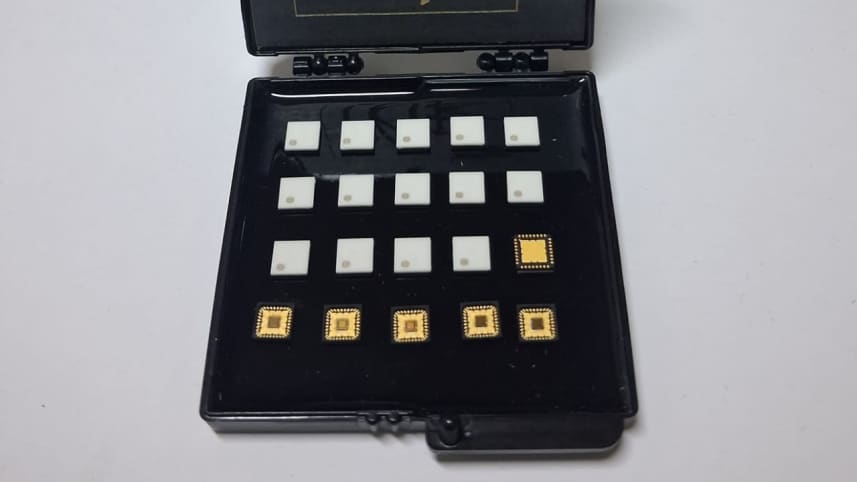
The processor was designed as a complete system on a chip (SoC) in which the design, verification and tape-out were all carried out using free EDA software and process design kits. The resulting chip was manufactured by IHP – Leibniz Institute for High Performance Microelectronics of Germany using their open source manufacturing services.
Developed by undergraduate students in cooperation with faculty members, the processor is meant to be used in embedded applications, including appliances and internet of things (IoT) products. This example demonstrates how open hardware communities can help educational institutions design their own processor solutions without spending money on expensive proprietary systems.
Md. Khalid Hossain, one of the students behind this project said, “We were inspired to make this chip from an air conditioner. We hope to integrate the processor into consumer electronic products manufactured by Bangladeshi companies. That remains a long-term objective, with testing and further development still ahead. Testing will take around 3 months before application.”
This fabricated chip has now been validated with technical support from the industrial partner. Once validated, it will demonstrate the chip’s effectiveness for future consumer electronics and embedded applications.
Through the integration of the RISC-V architecture and open source semiconductor design software, this research provides an easy way of developing processors in an academic environment. In addition, the research shows how open hardware plays an important role in enhancing local semiconductor research, engineering training, and embedded system designs.