























































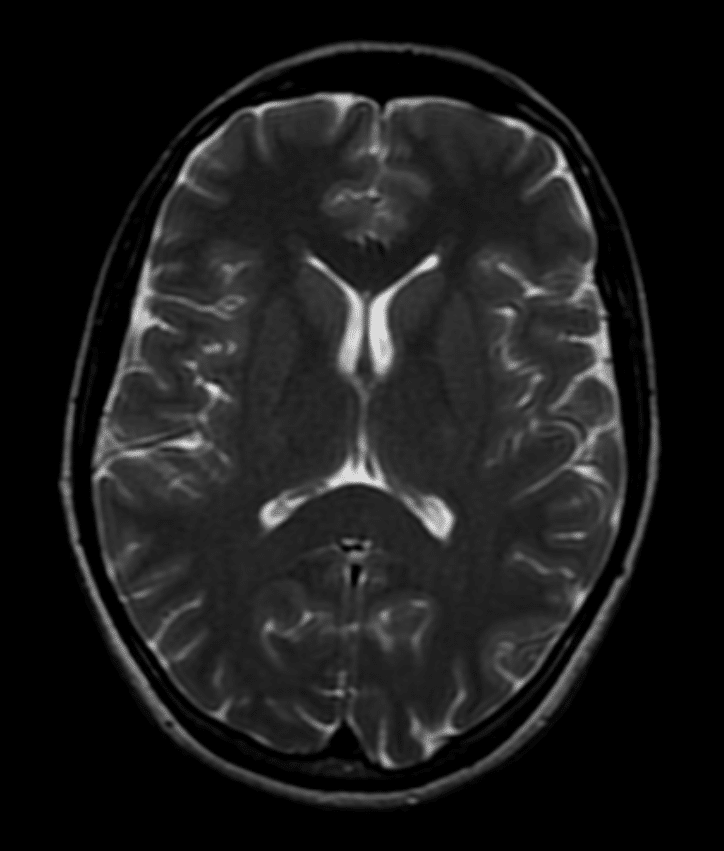

Three artificial intelligence tools combine scientific literature, unpublished research, and peer review support to accelerate studies on neurodegenerative diseases.
The Consortium for Biomedical Research and Artificial Intelligence in Neurodegeneration (C-BRAIN) has released three open-source AI tools to assist research on Alzheimer’s disease and other neurodegenerative disorders. Launched at the Alzheimer’s Association International Conference held in London, the toolkit was created via a partnership of 17 members with Washington University School of Medicine in St. Louis leading the effort. The platform is designed to analyse scientific literature, extract insights from unpublished research, and provide peer review-style feedback to researchers.
The initiative addresses the high failure rate of Alzheimer’s drug development wherein more than 99 per cent of drugs have failed during clinical trials. By analysing the scientific literature, experimental data and results of trials previously unpublished, the AI platform aims to help researchers identify patterns and evaluate scientific hypotheses more effectively.
The toolset comprises three applications. The first application uses retrieval-based AI techniques to synthesise information from neurosciences and Alzheimer’s literature to help with literature review. The second application analyses unpublished or negative experimental results to help researchers avoid repeating unsuccessful experiments. Lastly, the third app works as a reasoning assistant to review papers, grants, and experimental designs before submission by providing scientifically grounded feedback.
As part of the effort to enable collaboration while protecting sensitive information, the platform utilises a federated design allowing organisations involved to provide proprietary data without transferring ownership or any private data. Furthermore, the scientist-in-the-loop design involves the validation and reproduction of AI-generated findings generated by the AI before they are used in scientific studies.
The consortium states the tools will support collaboration among academia, pharmaceutical companies, and research institutions as well as increasing efficiency in biomedical research. The AI toolkit is available to approved biomedical researchers after registration with C-BRAIN. The developers encourage the research community to examine, test, and build on the software.