



























































A production-scale silicon chip combines open hardware design with non-destructive verification, allowing users to inspect whether manufactured silicon matches its published design.
A new silicon chip designed by hardware hacker Andrew “bunnie” Huang is set to debut in the electronic badges for DEF CON 34, marking what is described as the first production-qualified silicon specifically engineered for non-destructive verification. Built around the Baochip-1x, the RISC-V-derived system-on-chip enables users to inspect the physical chip and verify that it matches its published design without damaging the device.
Unlike ordinary chips, which require consumers to place their trust in the manufacturer, the open source licenses are used to publish the processor core, firmware, operating system, crypto engines, and the I/O subsystem. In addition, the chip also allows inspection of the silicon using infrared technology without affecting the chip itself.
The chip comes with secure boot, true random number generator, resistive RAM for secure key storage, and hardware security features aimed at making the chip resilient to any physical manipulation. The chip can operate as a security device for various methods of authentication including FIDO, one-time passwords and password management.
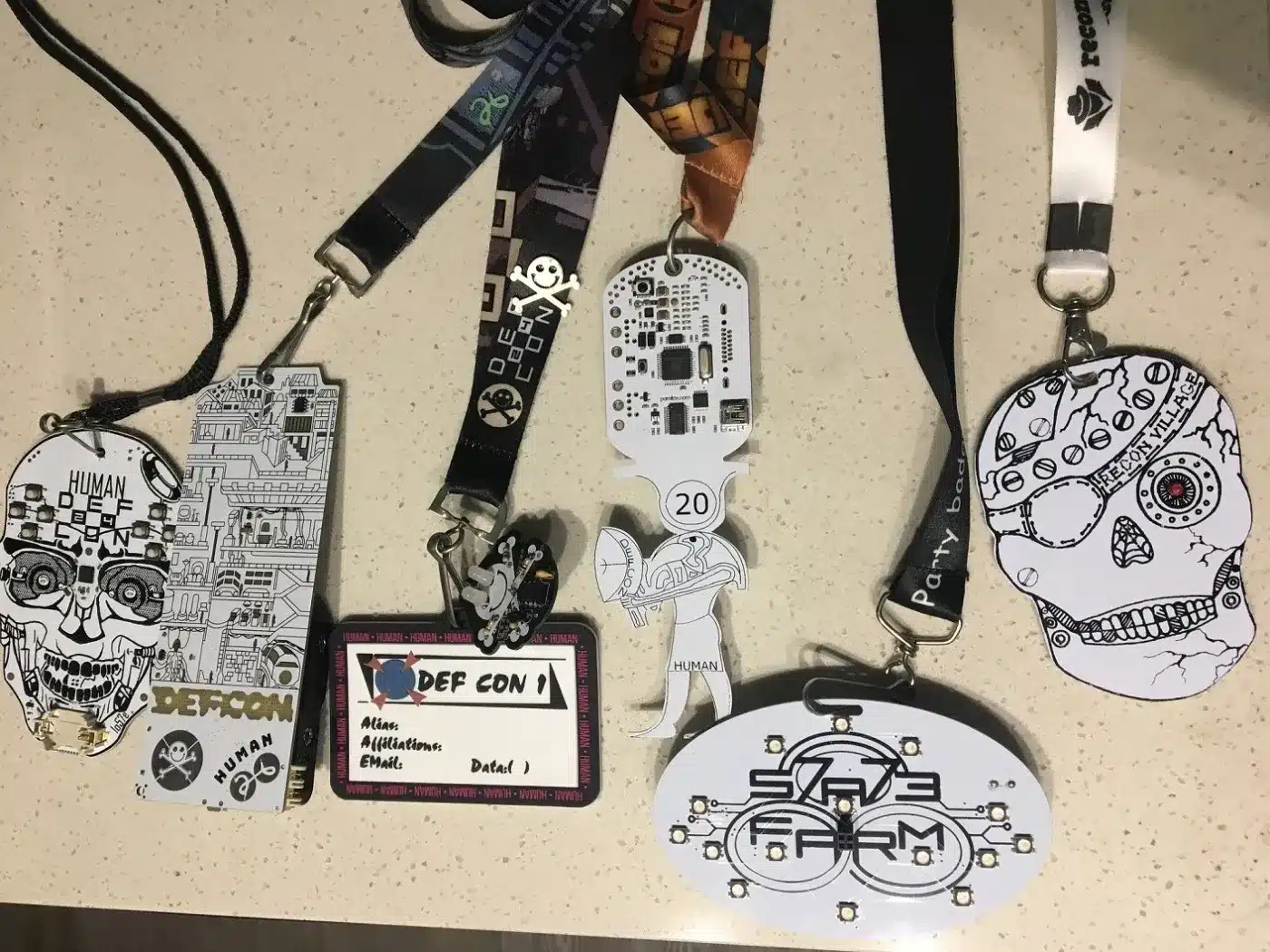
Around 30,000 conference badges containing the chip will be distributed at DEF CON 34, marking the first time that the chip will be used on such a large scale. The organisers hope attendees will inspect, test and modify both the hardware and software to identify issues and improve future revisions.
By combining mass production, transparent hardware design, and hardware validation, the project demonstrates how trust in the semiconductor supply chain can be improved.