























































Perplexity is moving beyond AI search into autonomous AI agents, positioning its new orchestration platform against open source frameworks like OpenClaw while betting on Chromium and multi-model workflows to power enterprise AI.
Perplexity AI is expanding beyond AI-powered search and repositioning itself as an AI agent orchestration company, directly challenging open-source agent frameworks such as OpenClaw with its newly launched Perplexity Computer and Personal Computer platforms.
The company’s latest systems can autonomously perform tasks, coordinate workflows, and orchestrate more than 20 AI models simultaneously instead of merely answering questions. With the move, Perplexity is entering a rapidly intensifying AI agent race alongside Microsoft Copilot, Anthropic Claude Cowork, and emerging open-source agent ecosystems.
CEO Aravind Srinivas said Perplexity’s focus is on transforming experimental AI agent concepts into secure, scalable, enterprise-ready systems. “That’s essentially what we are trying to do,” he said, while differentiating the platform from open-source alternatives.
Srinivas believes the future of AI lies in orchestration rather than a single dominant model. “Models are beginning to specialise. Each model is getting good at certain specific things, and so there is value in being a master orchestrator,” he said.
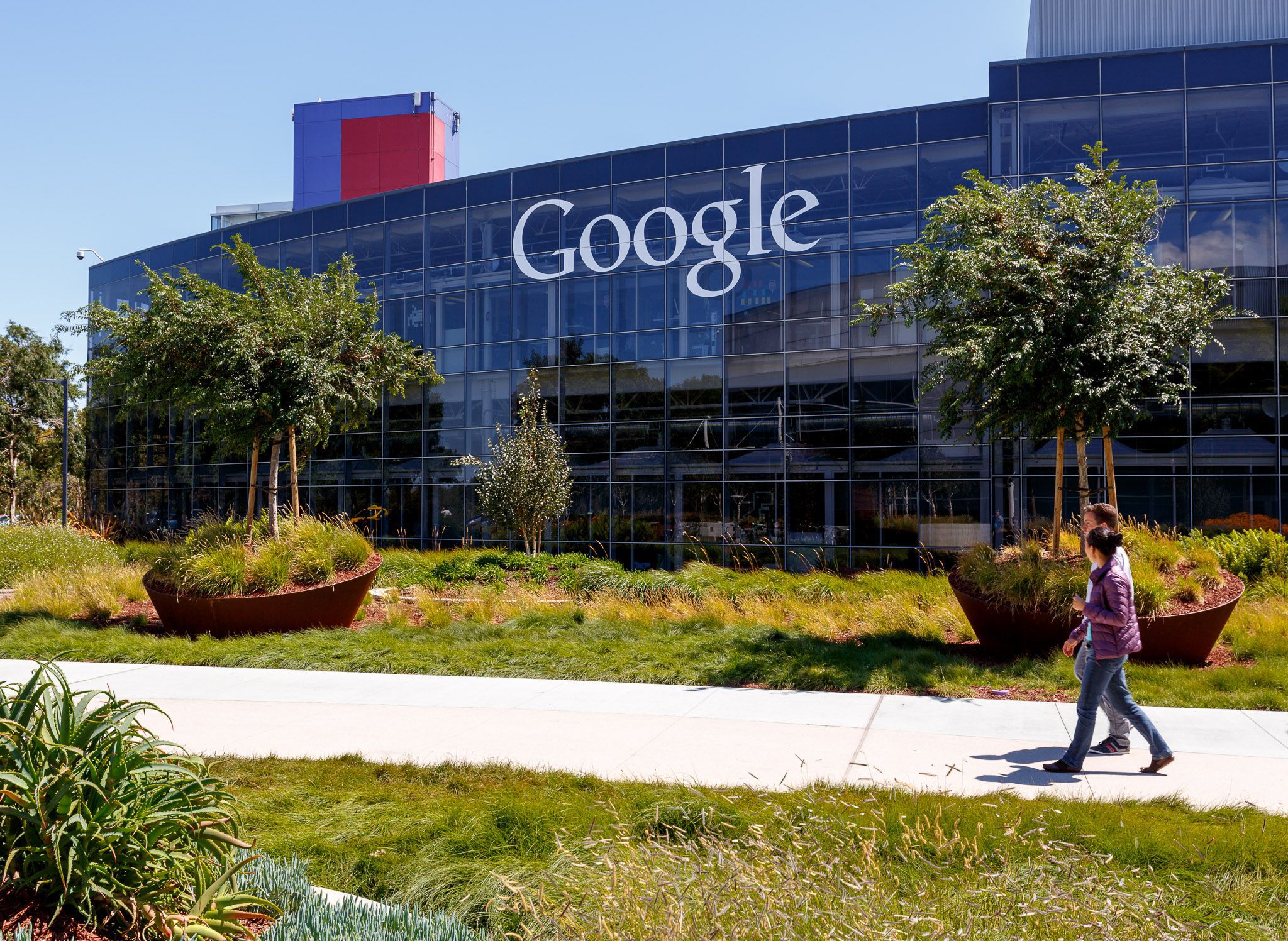
Perplexity’s strategy also heavily relies on open-source infrastructure. Srinivas recently said the company wanted to preserve Google’s open-source Chromium project during its proposed $34.5 billion Chrome acquisition attempt. “I’m happy that Google is still maintaining the open-source Chromium project,” he said.
The company reported annualised revenue growth from $100 million in March 2025 to $500 million by April 2026, driven partly by enterprise adoption of its AI orchestration systems.