
























































Meta has released open-source SDKs and firmware that let makers connect Muse to ESP32 boards, Raspberry Pi systems, displays, sensors and actuators.
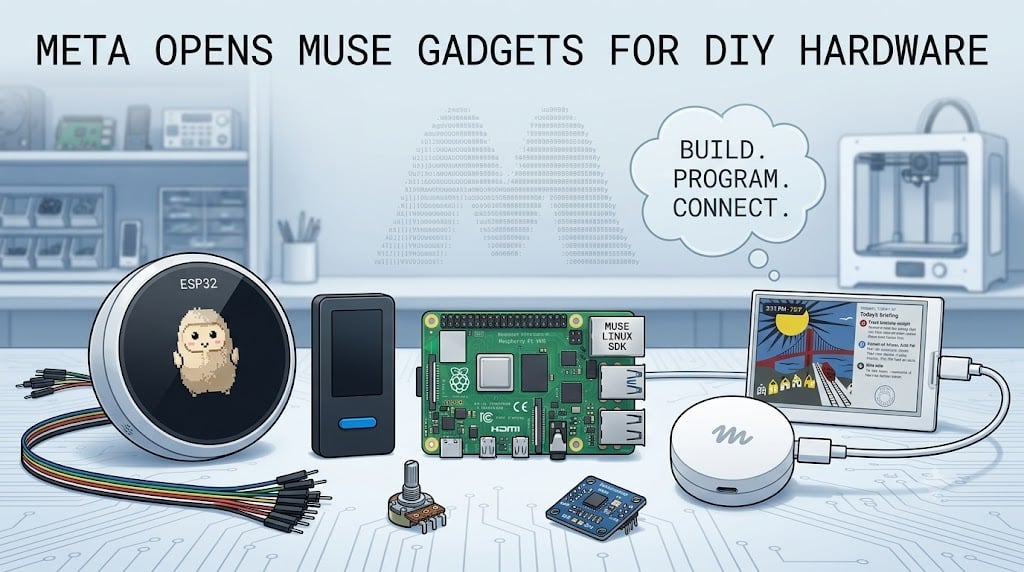
Meta has introduced Muse Gadgets, an open-source hardware initiative that allows developers and hobbyists to build custom devices connected to its Muse personal AI agent. The project provides an ESP32 Device SDK and Linux Device SDK, enabling makers to use off-the-shelf development boards and connect Muse to screens, buttons, audio hardware, sensors and actuators. The SDKs and firmware are released under the Apache 2.0 licence.
The ESP32 SDK is designed for boards that can be programmed and customised by makers, with support for displays, audio input and output, and additional sensors. Meta currently showcases several compatible devices, including ESP32-based boards with touchscreens and displays. Developers can also build support for other boards, allowing the project to extend beyond the hardware featured by Meta.
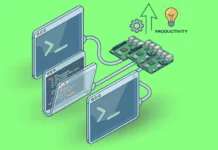
For Linux-based hardware, the Linux Device SDK can turn a Raspberry Pi or another Linux computer into a Muse gadget. This allows developers to connect Muse with local applications and services, including Home Assistant setups. The project also provides APIs and example projects to help makers experiment with different hardware configurations rather than requiring a dedicated Meta device.
Meta has suggested several applications for the platform, including a colour E Ink display for reminders and morning briefings, an HDMI-based device for displaying Muse interactions on a television, and compact ESP32 devices with screens, speakers and microphones. The company has also developed Muse Home Link, a USB-C-powered device that allows Muse to communicate with compatible devices on a user’s home network through HTTP-based interfaces.
The project gives the maker community access to the source code for the device SDKs and firmware, with Meta encouraging developers to modify the software, build new hardware integrations and contribute improvements. A community Discord is also available for developers working on Muse gadgets. Rather than running the complete Muse AI model on an ESP32 or Raspberry Pi, the hardware acts as an interface to Muse, allowing relatively low-cost embedded platforms to interact with Meta’s AI agent.
For more information, click here.