


























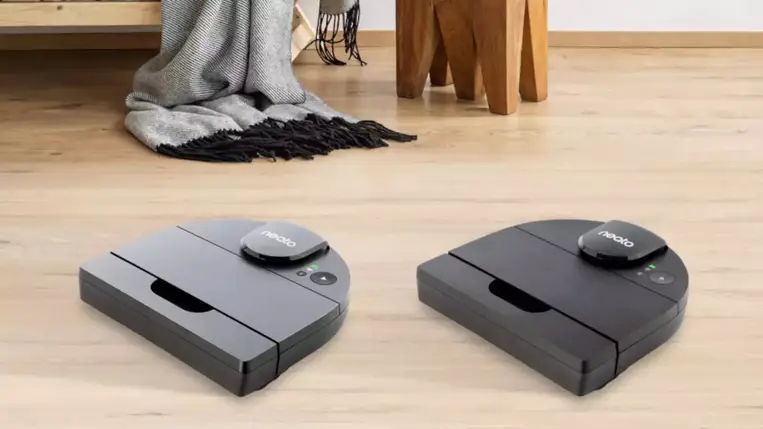

Vacuula is an open-source software project that helps bring Neato robot vacuums back under user control through a self-hosted server, replacing reliance on discontinued cloud infrastructure.
The open-source project Vacuula aims to extend the useful life of Neato robot vacuum cleaners affected by the shutdown of the manufacturer’s cloud services. Hosted on GitHub, it provides a replacement server and configuration tools that let users restore control of supported robots without relying on the original cloud infrastructure. The project makes its server code publicly available, allowing developers to inspect the implementation, contribute improvements and adapt the software to their own self-hosted environments.
Vacuula currently supports several Gen3 and Gen4 models, including the Neato D3, D4, D5, D6, D7, D800, D8, D9 and D10. Gen2 BotVac Connected support remains under development, while first-generation models without Wi-Fi are outside the project’s stated support scope. Supported functions include robot status monitoring, map viewing, cleaning schedules, historical cleaning records, and the configuration of cleaning zones and no-go areas. Multi-zone support varies by robot generation.
The software uses a self-hosted server that must remain online for the system to operate. Users can deploy it through Docker Compose, install it as a Home Assistant add-on, or use standalone and LXC setups. The repository provides configuration instructions and environment variables for enabling robot generations, setting network ports, configuring the time zone and controlling local network discovery. The project has verified server operation on 64-bit ARM and x86 platforms, while broader 32-bit support remains a development goal.
A separate installer helps configure compatible robots to connect to the replacement server. Its source code is also publicly available, giving technically inclined users an opportunity to inspect the setup process and investigate installation issues. The project provides installers for supported Windows, Linux and macOS environments, although compatibility differs by operating system and robot generation. Users unfamiliar with self-hosting may need to configure Docker or Home Assistant and troubleshoot network connectivity before their robots can be brought back online.
Vacuula demonstrates how open-source software can help preserve consumer electronics after manufacturer support ends, reducing dependence on discontinued online services. However, it is a community-developed software solution rather than a new open-hardware robot design, and compatibility is limited to the models listed by its developers.
For more information, click here.