




























































Linus Torvalds credits AI tool Claude Code for major Linux Kernel optimisation.
Linux creator Linus Torvalds has taken his use of artificial intelligence (AI) a step further, leveraging Anthropic’s Claude Code assistant to help author new performance-focused kernel modifications.
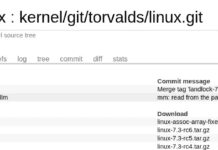
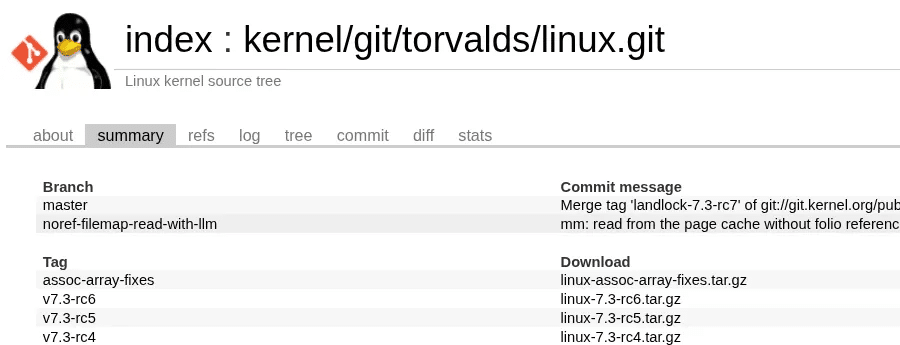
While preparing for the Linux 7.3-rc7 release, observers noticed a rare new branch appear in Torvalds’ primary repository: noref-filemap-read-with-llm. The experimental code targets a longstanding Linux bottleneck where concurrent small reads on a single file create contention around folio reference counting. By enabling page cache reads without folio references, the patch series achieves significant performance gains under heavy multi-threaded workloads.
In a rare move for mainstream kernel development, Torvalds explicitly acknowledged the role of AI in the patch series’ main cover letter:
“The code, the test programs, the review behind the list above and the first draft of this text were done with an LLM coding assistant (Claude Code) under my direction. The measurements were run on my machine.”
Initially, he did not rate AI highly, but he has since changed his mind. Indeed, he has been quoted saying, “I actually really like using AI.”
Previously, he utilised AI to help fix a bug in the Intel Xe graphics driver. Torvalds has, on multiple occasions, spoken about using AI for kernel debugging and experimenting with tools like Google’s Antigravity outside the main tree, framing LLMs as practical developer aids. However, co-authoring a functional kernel optimisation branch marks a notable milestone in high-profile open source development.