























































The integration of artificial intelligence with platform engineering can transform radio frequency systems.
Radio frequency and antenna design have increased in complexity due to the evolution of radio networks, with telecom networks moving towards 6G and above. Today, network engineers work on repeated simulations and evaluate multiple design parameters with distributed teams so that error-free radio networks can be deployed with minimum call or signal drops.
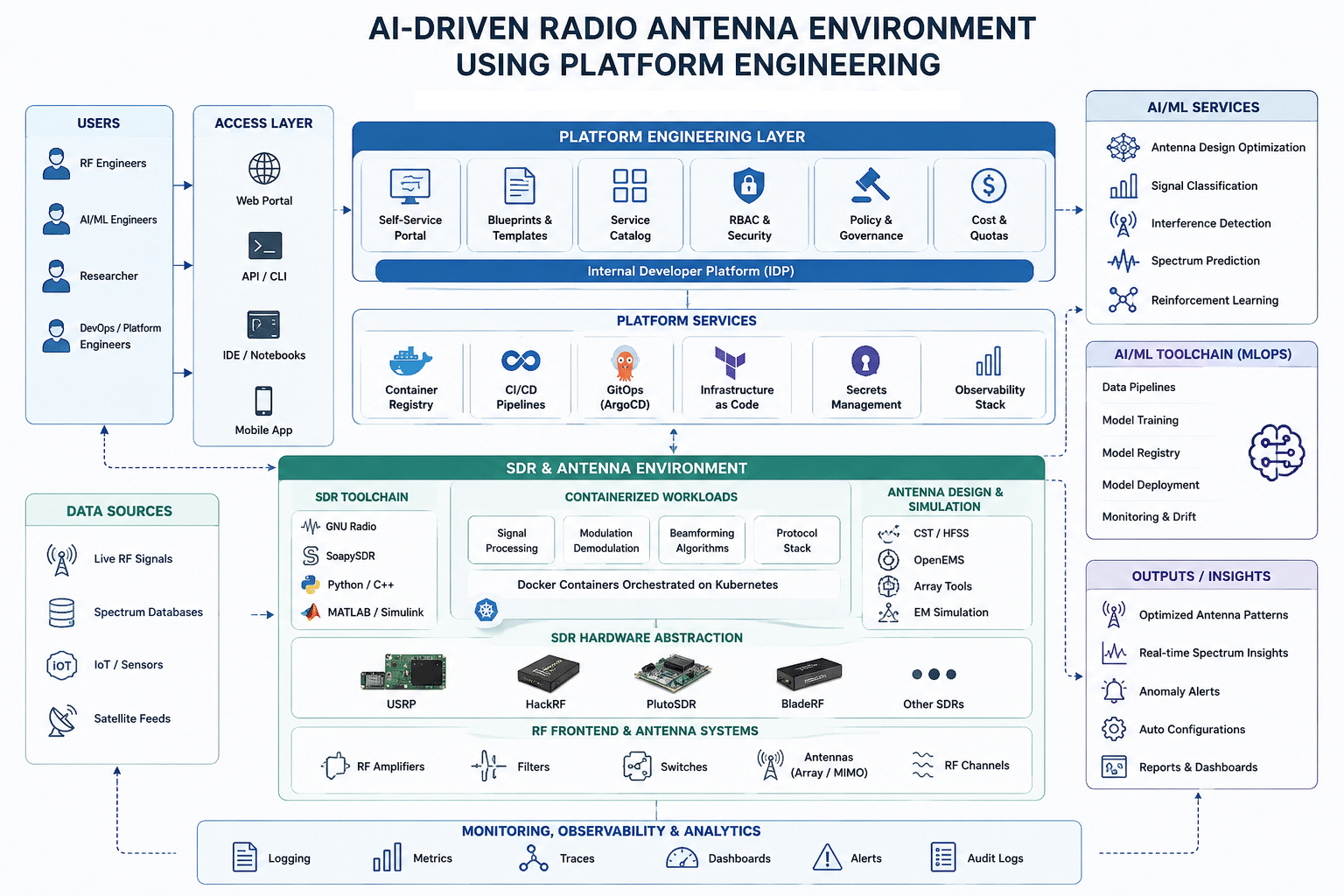
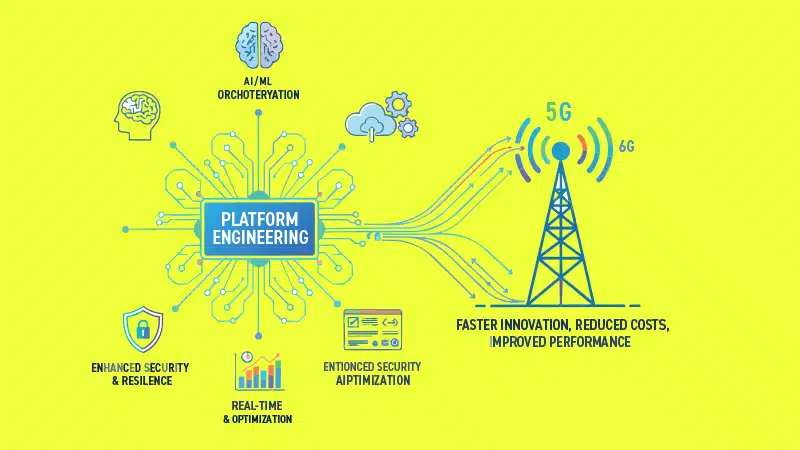
Platform engineering integrates a standardised and automated high-performance development environment. It makes use of AI for optimising antenna performance and accelerating design decisions so that signals can be captured in real time without any loss.
Table 1: Platform engineering vs DevOps with use cases
| Platform engineering | DevOps | Use case | |
| Goal | Developer productivity | Faster delivery | Enterprise software |
| Focus | Self-service platform | Build and deploy | Large teams |
| Users | Application developers | DevOps engineers | Multi-team organisations |
| Approach | Platform abstraction | Pipeline automation | Cloud platforms |
| Infrastructure | Platform managed | Managed manually | Kubernetes clusters |
| Developer work | Ready platform | Setup tools | New project |
| Automation | Golden paths | CI/CD pipelines | Standard workflows |
| Responsibility | Platform enablement | App delivery | Internal platforms |
| Complexity | Platform standardised | Team dependent | Large enterprises |
| Example | Backstage portal | Jenkins pipeline | Microservices deployment |
| SDR example | SDR platform | Deploy GNU Radio | Remote RF labs |
| AI example | ML platform | Model deployment | MLOps |
AI-driven platform engineering is beneficial for radio frequency based communications, 6G implementations, and innovations in radio and wireless communications. The key objective of platform engineering is to speed up antenna design and simulation, and enable its automation and scaling.
Table 2: Tools that can be used for platform engineering in various applications
| Application | Platform engineering feature | Implementation tool |
| Antenna simulation | Automated pipeline | 4NEC2 |
| SDR development | Containerization | GNU Radio |
| RF optimization | AI integration | Python |
| Spectrum analysis | Shared platform | GNU Radio |
| Beamforming | Workflow automation | GNU Radio |
| Patch antenna | Version control | Git |
| Yagi design | Reusable templates | 4NEC2 |
| Dipole design | Parameter sweep | openEMS |
| RF networks | CI/CD pipeline | Jenkins |
| Microwave design | Standard environment | Docker |
| Satellite links | Cloud platform | Kubernetes |
| Radar systems | AI optimization | TensorFlow |
| IoT antennas | Automated reports | Python |
| MIMO systems | Resource sharing | Kubernetes |
| SDR testing | Automated validation | PyTest |
| RF prototyping | Digital twin | SimPy |
| EMI analysis | Batch simulation | openEMS |
| 5G planning | Scalable platform | Docker |
| Antenna arrays | AI tuning | PyTorch |
| RF research | Shared repository | GitLab |
The benefits of using platform engineering in radio and wireless networks include better antenna designs, consistent builds, continuous antenna signal validation, antenna design tracking, easy antenna deployment, faster setup, faster radio network testing, higher signal efficiency, optimal signal gain, reduced signal drop errors, reliable transmission results, and virtual testing.
Table 3: Uses of integrating AI with platform engineering
| Application | Platform engineering role | AI role |
| Antenna design | Workflow automation | Shape optimization |
| SDR receiver | Container deployment | Signal classification |
| RF simulation | Auto pipeline | Result prediction |
| Beamforming | Shared platform | Pattern learning |
| Spectrum sensing | CI/CD pipeline | Signal detection |
| MIMO systems | Resource sharing | Channel prediction |
| Patch antenna | Version control | Parameter tuning |
| Dipole design | Template reuse | Length optimization |
| Yagi design | Batch execution | Gain prediction |
| Radar systems | Automated testing | Target recognition |
| Satellite links | Cloud platform | Link prediction |
| EMI analysis | Auto reports | Noise detection |
| RF filters | Standard environment | Parameter search |
| IoT antennas | Shared libraries | Energy prediction |
| SDR transmitter | Container images | Waveform selection |
| Radio networks | Platform scaling | Traffic prediction |
| Antenna arrays | Pipeline reuse | Beam optimization |
| RF research | Knowledge sharing | Data mining |
| 5G planning | Workflow templates | Site prediction |
| Defence systems | Secure platform | Threat detection |
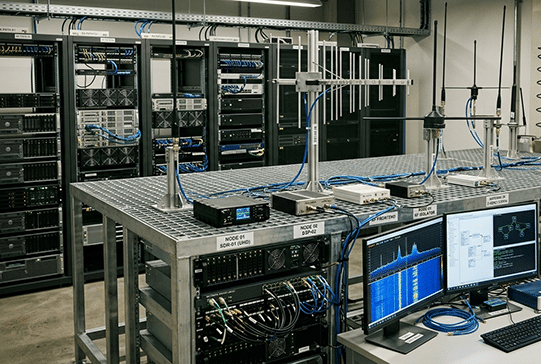
AI and platform engineering in radio networks
The integration of artificial intelligence with platform engineering can transform RF systems when it comes to performance. Antenna and radio networks can be easily simulated, designed, and optimised for better performance in real world scenarios and wireless protocols.
AI and platform engineering can enable:
- Large scale wireless simulations on 5G/6G
- Security and integrity in existing 4G and LTE based environments
- Wireless and radio data analysis
- Dimension recommendation and design optimization
- RF scenario analysis and prediction
- Dataset management and task automation
- Automated pipelines and reusable workflows
- Tool integration and workflow consistency
- Design comparison and team collaboration
- Automatic simulations
- Reliable RF with faster deployment
They can enhance the performance of satellite systems, radar and air defence systems, IoT, and drones.
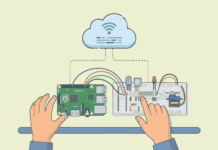
Figure 2 depicts headless RF engineering that integrates the automated Hardware-in-the-Loop (HIL) testbed for radio network and antenna analytics. A cloud managed software defined radio (SDR) platform works without any manual intervention.
The integration of AI and platform engineering in radio networks leads to faster testing, higher accuracy, rapid analysis, better throughput, stable and faster designs, improved performance, optimal coverage, reduced errors, easy deployment, faster innovation, and rapid rollouts.
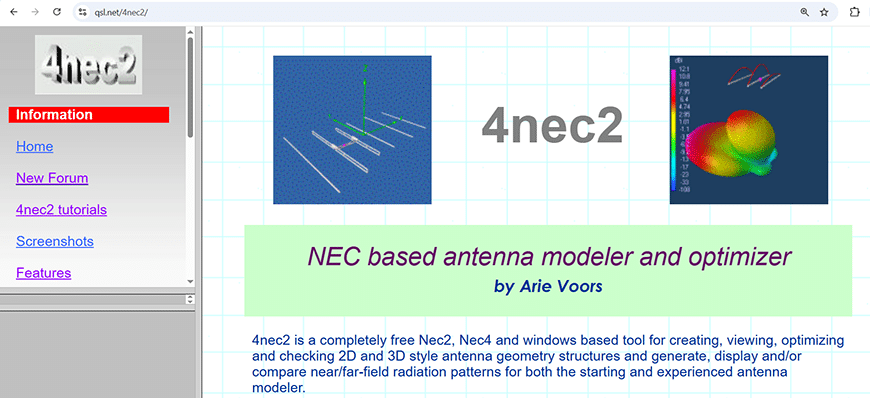
Simulation on a 4nec2 platform for antenna and radio analytics
URL: https://www.qsl.net/4nec2/
The free and open source platform 4nec2 can be used for simulating antenna and radio analytics.
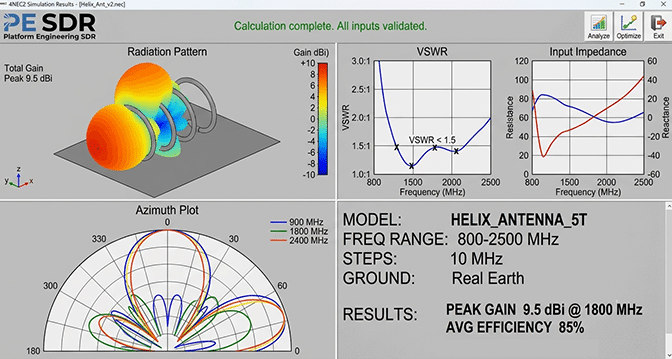
An open source platform like 4nec2 along with platform engineering can automatically execute antenna designs using:
- 3D radiation patterns
- VSWR vs frequency
- Gain patterns (polar plot)
- Impedance
- Smith chart
The effectiveness and performance of an AI and platform engineering-based radio network workflow can be elevated to a large extent with automated and reusable modules.
The platform engineering pipeline is:
- Electromagnetic RF 4NEC2 simulation
- Extraction of gain
- Extraction and analytics of Voltage Standing Wave Ratio (VSWR)
- Analytics of bandwidth
- Generation of radiation pattern
- AI for comparison with earlier designs and strategic decision making
- Auto-generation of HTML/PDF report
AI-based platform engineering for wireless and radio networks helps them perform much better. Real time signal strength improves and the analytics enables dynamic antenna design so that these networks can be deployed effectively.