





















































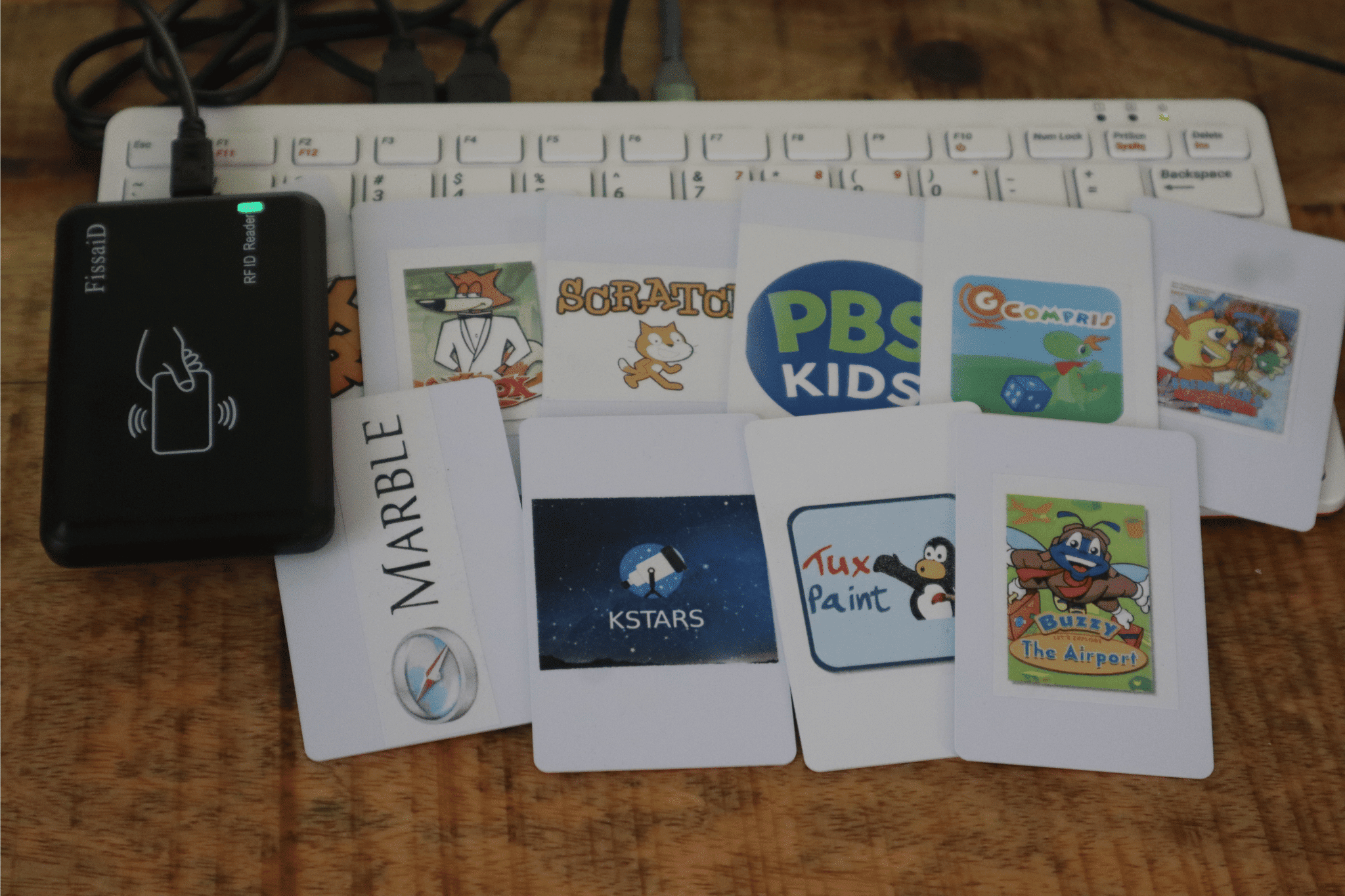

ChipBit is an open-source Raspberry Pi project that uses programmable RFID cards to launch games, educational applications and websites, with customisable software and parental controls.
ChipBit is an open-source project that turns a Raspberry Pi into a shared family computer where software launches through physical RFID cards instead of conventional menus. Developed by Kevin, the project provides a public codebase, downloadable system images and build instructions, allowing users to reproduce the setup and customise the applications available on the device. Its design combines a kiosk-based Linux environment with card-driven software selection, offering developers a modifiable foundation for building child-friendly computing systems.
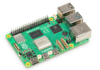
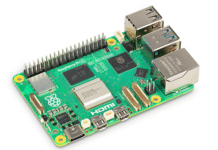
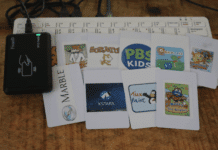
The project runs on a Raspberry Pi 400, Raspberry Pi 500 or compatible Raspberry Pi computer, paired with a 13.56MHz USB RFID reader and MIFARE cards. Each card is associated with a particular application through its factory-assigned identifier; the system does not write data to the card itself. This lets users reuse compatible blank cards or existing keycards. The repository includes printable card labels, hardware setup instructions and a downloadable system image, while developers can build the image themselves using CustomPiOS and Raspberry Pi’s pi-gen tooling.
ChipBit’s software stack is built around Python, with a background service reading RFID identifiers through Linux’s evdev interface. It matches each identifier against a binding table and a catalog.yaml configuration file, which specifies the application or engine to launch. Supported software includes ScummVM for classic adventure games, Ruffle for Flash content, native Linux applications and a browser restricted to an approved list of websites. The system uses the cage Wayland kiosk compositor to display a single application without exposing a conventional desktop.
The project also includes a locally hosted administration interface for enrolling cards, assigning applications and setting screen-time limits. Parents access the interface using a designated administrator card, while a home card returns the system to its idle screen. Individual applications run in restricted sessions, and the browser uses an allowlist to limit website access. These components can be inspected and adapted by developers who want to customise the interface, change application-launching behaviour or add new software to the catalogue.
By publishing its implementation and build process, ChipBit provides a starting point for developers interested in RFID interfaces, Linux kiosk systems and educational computing. The project can be extended with additional applications and websites, while its card-based interaction model keeps software selection physical and straightforward for younger users. The source repository and release images are available on GitHub, although users should review the licence information before redistributing modified versions or incorporating the code into other projects.
For more information, click here.