


















































LR2021-SDR is an open-source software-defined radio project that captures raw I/Q samples from the LR2021 transceiver, enabling experimental signal reception from 100MHz to 2.74GHz.
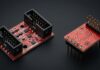
An open-source project called LR2021-SDR turns Semtech’s LR2021 wireless transceiver into a software-defined radio (SDR), extending its experimental reception range beyond the frequencies specified in the chip’s datasheet. Developed by Samuel Reynolds, the project uses an undocumented command in the chip’s ROM to expose raw 16-bit in-phase and quadrature (I/Q) samples. This allows developers to process radio signals in software rather than relying exclusively on the transceiver’s built-in demodulation modes. The project’s GPL-3.0-licensed repository includes a C library, ESP32-P4 capture firmware, Python analysis tools and experimental measurements.
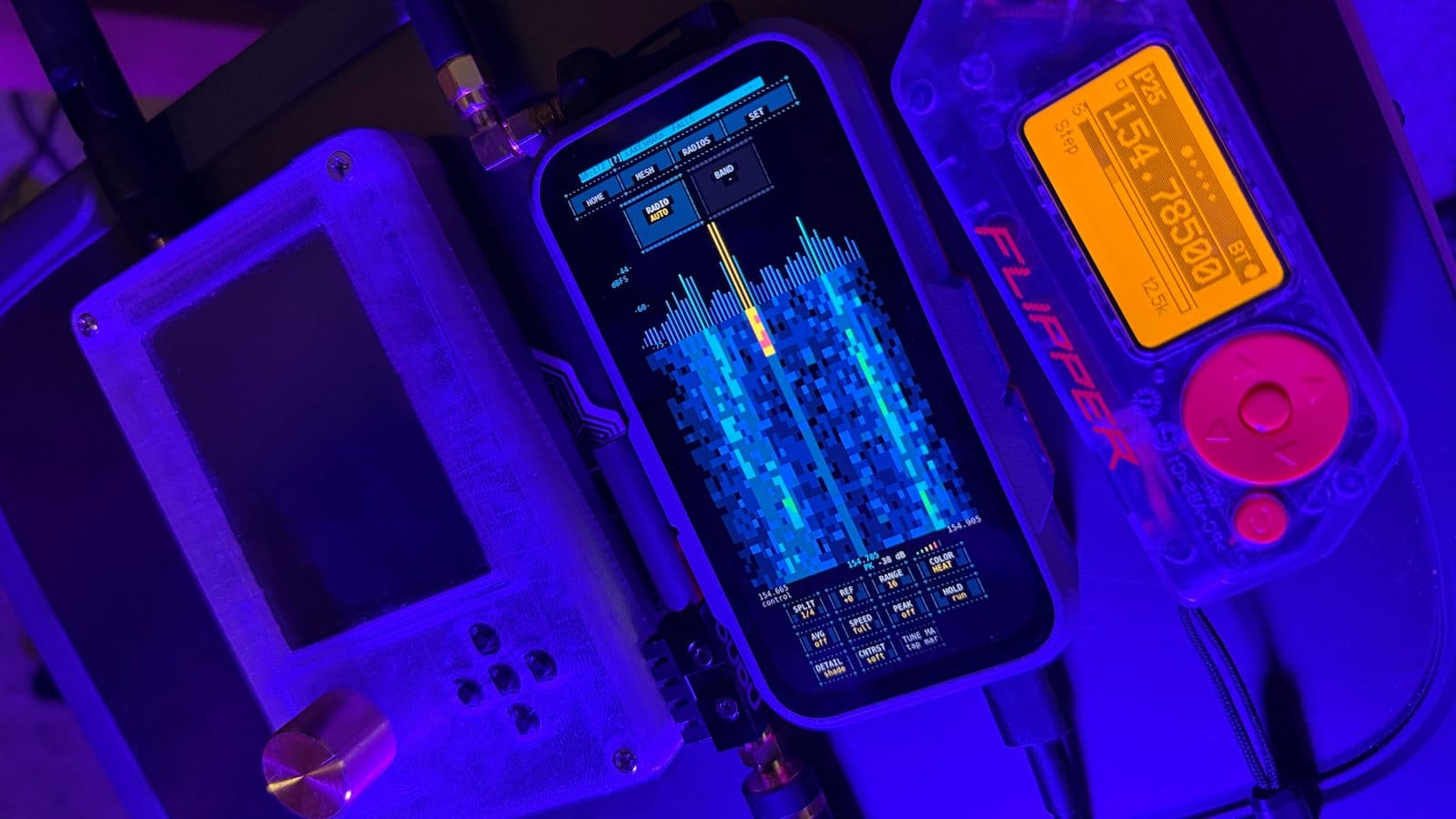
The developer has demonstrated reception from 100MHz to 2.74GHz on a LilyGO T-Display-P4 board equipped with the LR2021. This extends beyond the chip’s documented operating bands of 150–960MHz and 1.5–2.5GHz. The results are experimental and were measured on a single board, so performance may vary with the module’s radio-frequency front end and hardware implementation. The project currently targets LR2021 ROM version 1.24 and does not provide the same raw I/Q functionality on the board’s alternative SX1262 radio variant.
The firmware streams captured samples over SPI at up to 250,000 complex samples per second in short tests. Continuous capture at 125,000 samples per second has been demonstrated for more than six minutes without reported sample loss. Higher rates of 500,000 and 1,000,000 samples per second caused FIFO overflows because the 16MHz SPI interface could not transfer the data quickly enough. These measurements provide developers with practical limits for designing software receivers and experimenting with digital signal processing on resource-constrained hardware.
The raw samples can be used to implement software-based reception of different signal types. Demonstrations include P25 Phase 1 digital voice, POCSAG pager messages, analogue FM and Bluetooth Low Energy advertising. The project also explores experimental transmission, including custom waveforms, P25 test bursts and replayed on-off keying (OOK) and frequency-shift keying (FSK) signals. An independent receiver recovered 72 P25 voice frames in one test, although continuous transmission and live voice transmission remain under development. The companion LakeShark firmware integrates the receiver capabilities into a handheld interface, allowing supported signals to be decoded without an external SDR dongle.
By publishing the capture library, firmware, build instructions and measurement results, LR2021-SDR gives radio developers a starting point for investigating undocumented transceiver capabilities and building custom receivers. The project remains experimental and requires compatible LR2021 hardware; transmission must also comply with applicable radio regulations and frequency-use restrictions.
For more information, click here.