























































Public Linux kernel commits triggered the premature disclosure of the Dirty Frag privilege escalation flaw before full patches were ready, exposing growing tensions between open source transparency, AI-era vulnerability discovery, and traditional embargo practices.
The open-source Linux ecosystem is facing mounting pressure on its vulnerability disclosure model after parallel bug discovery triggered the premature exposure of the Dirty Frag local privilege escalation (LPE) vulnerability before complete patches were available.
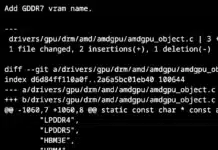
The Linux kernel security team had embargoed Dirty Frag until May 12 to allow fixes to be prepared. However, the embargo was broken on May 7 after developer Trevor (_SiCK) independently identified related exploit primitives through publicly visible kernel code commits while researching Copy Fail 2 (CVE-2026-43284).
“Anyone can read code commits,” Trevor said. “There was no magic involved; I cannot break an embargo which I never entered into, or agreed to therein.”
Trevor further argued: “If code is indeed speech, the very idea of trying to censor it from eyes when it is open source is laughable.”
The incident has intensified debate over whether traditional coordinated disclosure practices can survive in highly transparent open-source environments.
Dirty Frag, Copy Fail, and Copy Fail 2 are all serious Linux LPE vulnerabilities capable of escalating standard users to root access without race-condition wins or kernel crashes, increasing exploitation reliability. Dirty Frag reportedly affects Ubuntu 24.04.4, Red Hat Enterprise Linux 10.1, openSUSE Tumbleweed, Fedora 44, and CentOS Stream 10.
Only partial fixes for Dirty Frag were available at the time of disclosure. Meanwhile, Linux developers and maintainers are increasingly warning that AI-assisted vulnerability research and parallel discovery are accelerating faster than patch development cycles, placing longstanding embargo models under growing strain.