





























































Europe’s push to reduce dependence on US game engines is reigniting interest in open-source platform Godot, as developers question proprietary pricing models, AI-heavy strategies, and long-term technology sovereignty.
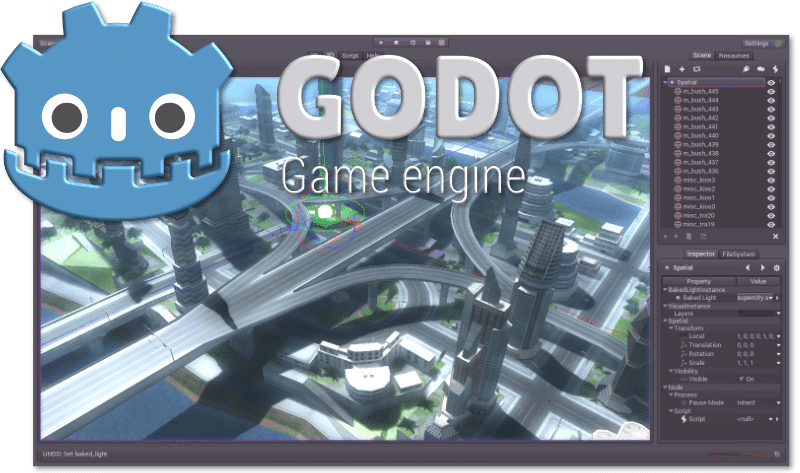
Europe’s growing push for independence from US-controlled game engines such as Unreal Engine and Unity is placing renewed focus on open-source alternative Godot, which many developers increasingly see as a more resilient long-term option.
The debate gained traction after Arjan Brussee proposed “The Immense Engine,” a Europe-based initiative centred on AI integration, European hosting, and reduced reliance on US technology ecosystems.
Brussee argued that modern engines are “made for and by people who have to click through a menu with a mouse,” adding that missing features often require waiting for updates “for the entire engine.”
However, critics argue Godot already addresses many of those concerns through its fully open-source model, allowing developers to directly modify engine code while avoiding vendor lock-in and corporate policy risks.
Originally created in Argentina and open sourced around a decade ago, Godot has evolved into a major dark horse in the game-engine market, particularly after the 2023 Unity Technologies runtime fee backlash triggered widespread developer outrage over proposed install-based royalties.
The article also questions whether AI-focused engines alone can deliver true European independence, noting that much of the AI ecosystem still depends heavily on US technology providers.
Finnish survival shooter Road to Vostok was highlighted as a successful European title built using an open-source engine approach.