




























































Papermark has accused YC-backed startup Corgi of copying its open-source data room software, but Corgi says no code was used. The dispute is fuelling debate over whether AI-generated “vibe coding” can cross open-source licensing and copyright boundaries without copying source code.
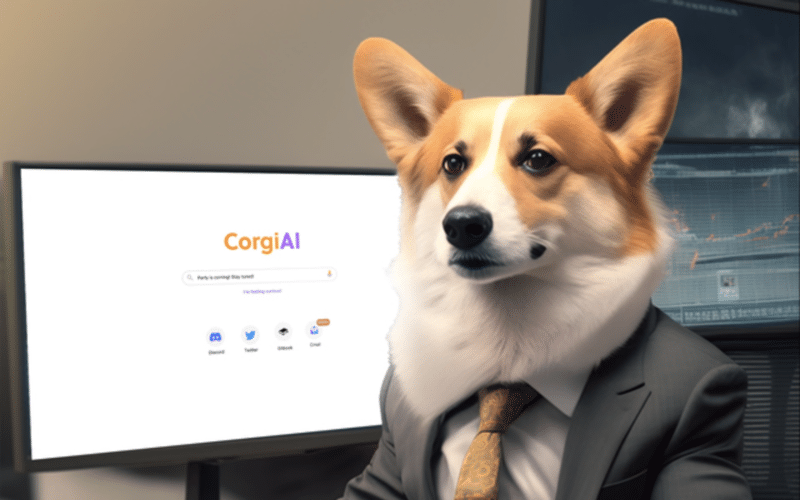
Y Combinator-backed insurance startup Corgi has come under scrutiny after open-source data room software developer Papermark accused it of copying its newly launched Dataroom product. Papermark alleges Corgi infringed copyright and open-source licensing by reproducing its product’s features, interface language and wording.
Corgi has denied the allegations, insisting that “no code was used from Papermark.” Papermark co-founder Marc Seitz published side-by-side screenshots showing identical feature descriptions and interface text, describing the incident as “fraud.”
Responding to the allegations, Corgi CEO Nico Laqua released evidence claiming the products use different codebases and denied any licence violations. He acknowledged that AI-assisted “vibe coding” resulted in similarities, saying, “Looking back, we should’ve leaned more into our own language and visual choices instead of taking cues from existing products in the space, and that’s on us.”
A Corgi spokesperson said the similarities were “isolated to visual elements on two peripheral settings pages,” were “immediately updated,” and that “our team confirmed that no code was used from Papermark.”
Beyond the dispute itself, the incident has sparked a wider debate over whether AI-generated software that closely replicates an open-source product’s look and functionality—without copying its source code—should be considered legally or ethically acceptable. Unlike the PearAI controversy, this case centres on design similarity rather than alleged source-code copying, highlighting a new challenge for open-source licensing in the AI era.