



















































The biggest update to the open-source Model Context Protocol (MCP) since its launch introduces a stateless architecture, stronger security and a new extension framework, making AI agent deployments more scalable, resilient and extensible.
The developers of the open-source Model Context Protocol (MCP) have released the biggest update since the project’s launch, introducing major architectural, security and extensibility improvements for AI applications and agents.
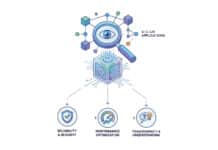
The headline change replaces MCP’s handshake-based metadata exchange with a new stateless protocol core. Instead of relying on a separate handshake workflow, metadata is now embedded directly into every MCP request. This removes a major source of operational complexity, improves scalability during traffic spikes and simplifies recovery from server outages.
The new architecture also eliminates the single point of failure created by the previous handshake mechanism, which depended on a single server for metadata management. As metadata now travels with every request, MCP applications distributed across multiple servers can operate more efficiently and reliably.
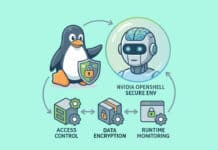
Security has also been strengthened through improvements to MCP’s authorisation mechanism. The updated implementation reduces configuration errors and adds protection against OAuth mix-up attacks, which can enable attackers to steal login credentials.
The release also introduces a new extension framework that allows developers to add custom capabilities to MCP. It ships with pre-packaged extensions, including MCP Apps for managing long-running AI agent workflows and EMA for streamlining cybersecurity tasks.
MCP was open-sourced by Anthropic in November 2024 and later donated to the Agentic AI Foundation, which operates under the Linux Foundation with backing from Anthropic, OpenAI and other major technology companies. The protocol enables AI applications to securely interact with external systems such as databases, online stores and enterprise software.