
















































ARTPARK’s ForecastHub is transforming disease forecasting by using existing climate and case data to build AI-based models that predict outbreaks four weeks in advance.
Disease outbreaks such as dengue, malaria and other vector-borne infections continue to challenge public health systems across India. While many outbreaks follow predictable patterns driven by climate, rainfall and environmental conditions, responses often begin only after case numbers start rising.
At ARTPARK (AI and Robotics Technology Park) at the Indian Institute of Science (IISc), Bengaluru, the focus has shifted on enabling the public health system from reacting to outbreaks to predicting them. The organisation has developed an open source ForecastHub, which uses existing climate and case data to build AI-based outbreak prediction models as reusable digital infrastructure, enabling governments, researchers and public health agencies to prepare for outbreaks before they escalate.
From research models to public infrastructure
Most disease forecasting models remain confined to research papers with limited real-world deployment. ARTPARK’s objective was to bridge this gap by building a modular platform where forecasting models, datasets and deployment tools can be shared and reused across multiple regions for various diseases.
The initiative began with dengue forecasting in Karnataka, where ARTPARK collaborated with the Karnataka State Disaster Management Authority (KSNDMC) and the state health department. Later, the collaborations extended to include the India Meteorological Department (IMD), ICMR and the National Vector Borne Disease Control Programme (NVBDCP) for expansion at a national scale.
Karnataka offered strong historical weather and disease datasets, allowing researchers to build and validate forecasting models while working closely with government agencies responsible for outbreak management.
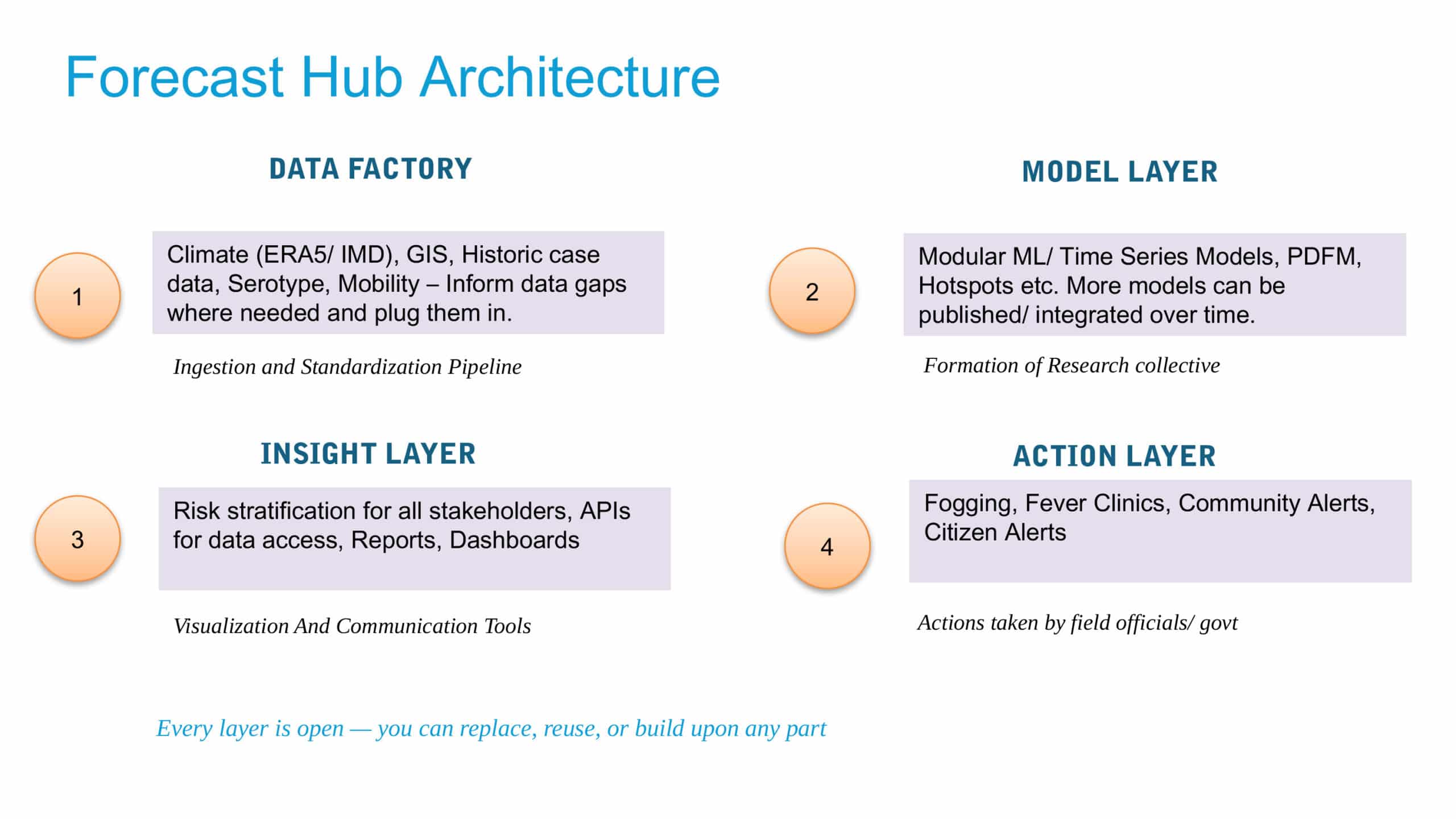
The first layer in the ForecastHub is a data factory that continuously ingests climate information from sources such as ERA5 and IMD, along with historical disease data aligned with government of India’s Integrated Health Information Platform (IHIP).
Once collected, all datasets are standardised, validated and stored in version-controlled repositories to ensure consistent model training.
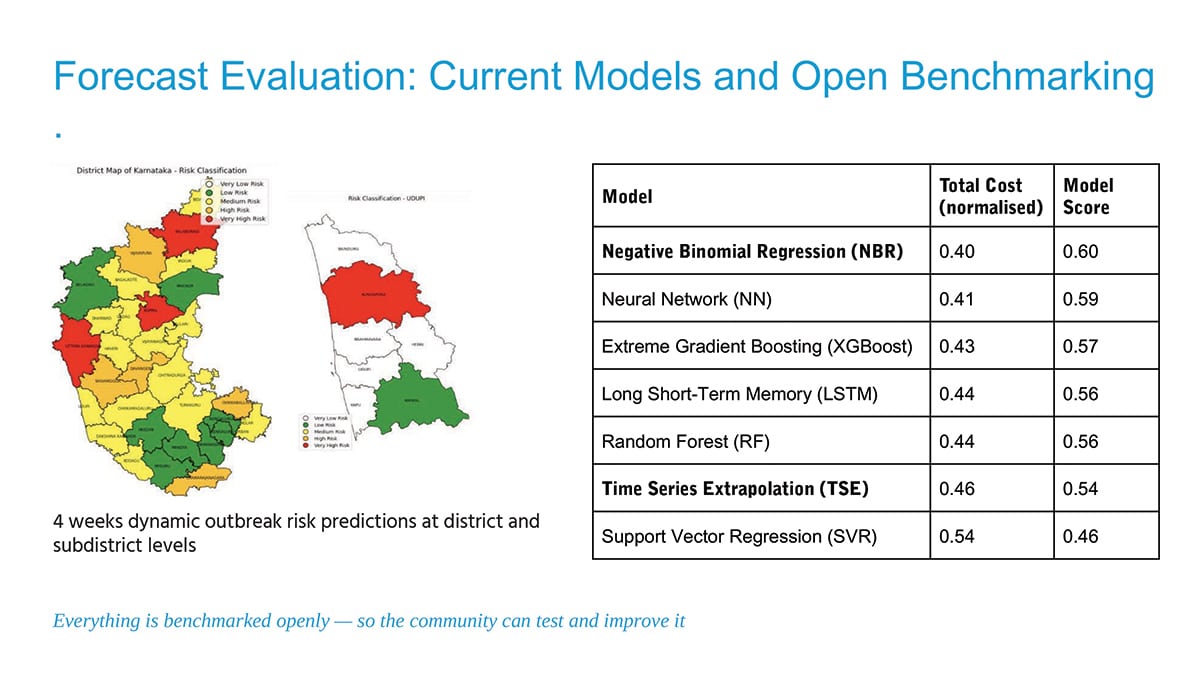
The second layer hosts forecasting models. Initial deployments rely on negative binomial regression and time-series forecasting models, while newer AI models, including Google’s foundational models, are being evaluated. The architecture allows additional forecasting models to be integrated without redesigning the platform.
Turning predictions into action
Forecast outputs are translated into risk classifications instead of raw numbers.
Using WHO and ICMR outbreak classification guidelines, districts are categorised into low, medium, high and very high-risk zones based on historical disease trends and current case growth.
The dashboards are customised for different users. District health officials receive operational alerts, while state authorities and epidemiologists access broader regional trends for resource planning.
The platform also generates hotspot maps that become particularly useful after outbreaks begin, helping local authorities prioritise fogging operations, establish fever clinics, and organise community awareness campaigns.
To improve surveillance, ARTPARK has developed a larval survey application that allows health workers to report mosquito breeding sites and source reduction activities directly from the field. This information is fed back into forecasting models, continuously improving prediction accuracy.
A plug-and-play AI pipeline
One of the key design goals is to simplify deployment.
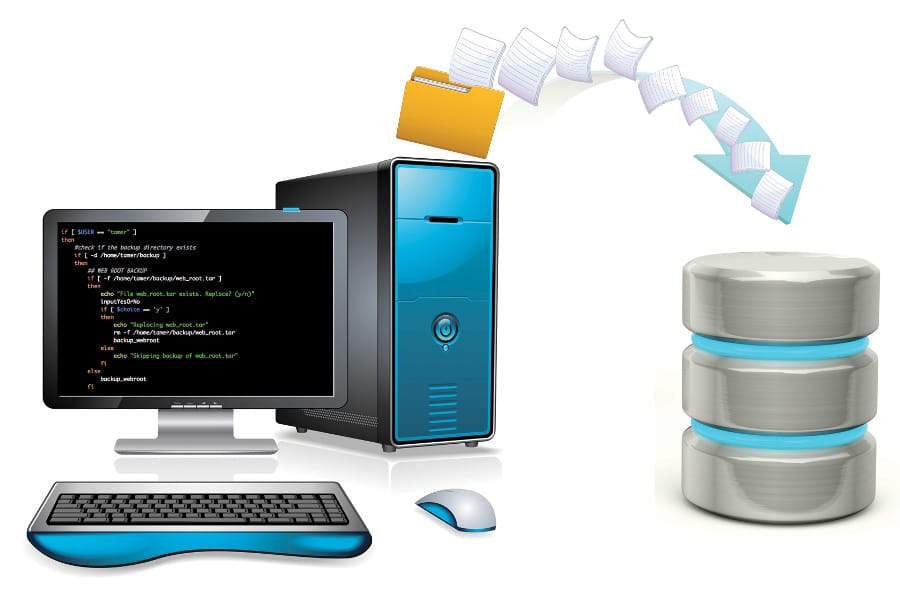
The complete forecasting workflow—from data ingestion and preprocessing to model execution and dashboard generation—is packaged into reusable Python modules running inside Docker containers.
Users simply provide their datasets, select the forecasting model and generate predictions without rebuilding the entire pipeline. Outputs are exported as APIs and JSON files, allowing seamless integration with municipal command centres and government health portals.
The system has already been integrated with Bengaluru’s BBMP command and control centre.
Although dengue served as the pilot use case, the platform has also been designed for broader public health applications. The same infrastructure can be adapted for forecasting malaria, heat stress and other climate-sensitive diseases by replacing datasets and models while retaining the underlying architecture.
ARTPARK is also working to incorporate additional datasets such as mosquito vector density, mobility patterns and serotype information to improve forecasting performance.
Current progress and future roadmap
The platform currently delivers up to four-week forecasts with approximately 80% accuracy at district and sub-district levels. The team has also made ward-level predictions operational and is expanding deployments beyond Karnataka to states like Odisha and Andhra Pradesh.
An open data catalogue has been released, allowing researchers to access standardised datasets and documentation for developing and benchmarking their own forecasting models.
Future plans include integrating more AI models, enhancing visualisation tools, improving API integrations with national health platforms, and opening the ForecastHub to external contributors.
By combining open data, modular AI models and reusable software infrastructure, ARTPARK aims to create a collaborative ecosystem where disease forecasting becomes a shared public capability rather than isolated research, helping governments move from reactive outbreak management to proactive public health preparedness.
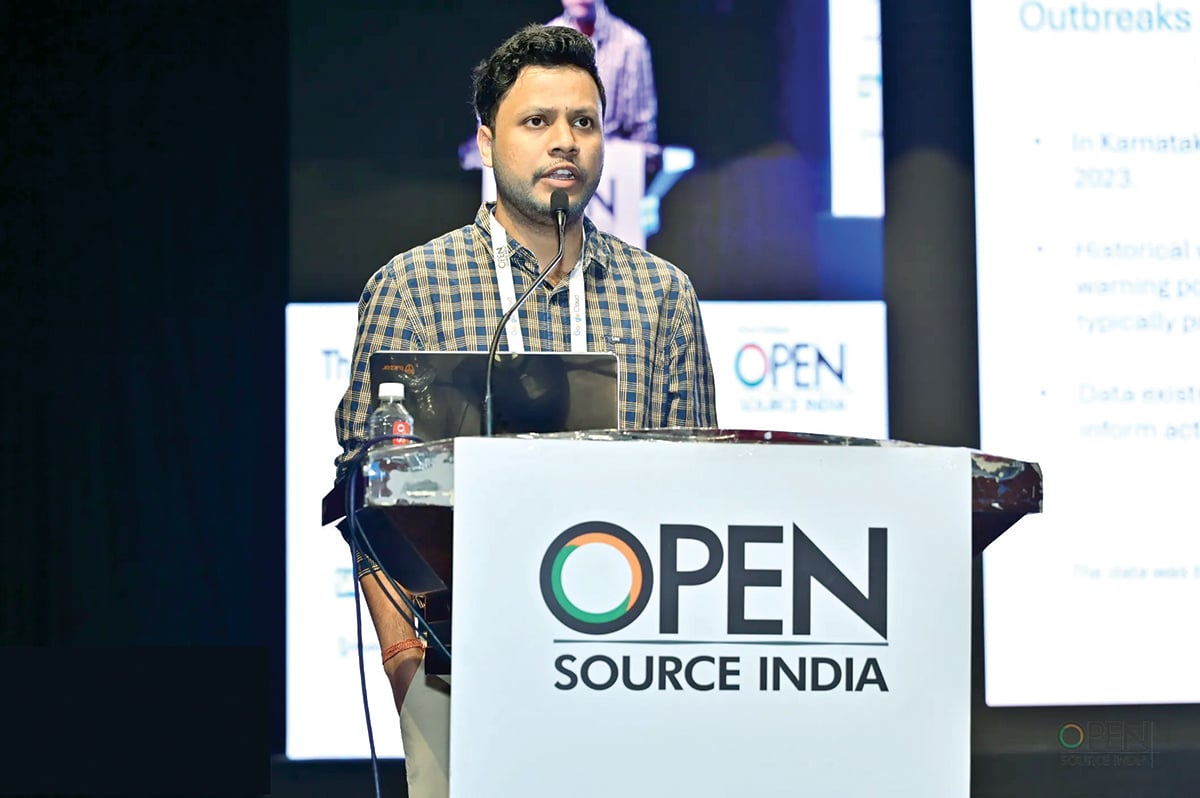
This article is based on the talk ‘Open Source Infrastructure for Scalable, Reproducible Disease Forecasting’ by Dr Raunaq Pradhan, product manager, ARTPARK, Indian Institute of Science, Bengaluru, at Open Source India 2025. It has been transcribed by Nikita Kumari, journalist at the EFY Group.