


















































FREE-WILi 2 combines open hardware with open firmware, giving makers a portable platform they can inspect, modify and extend.
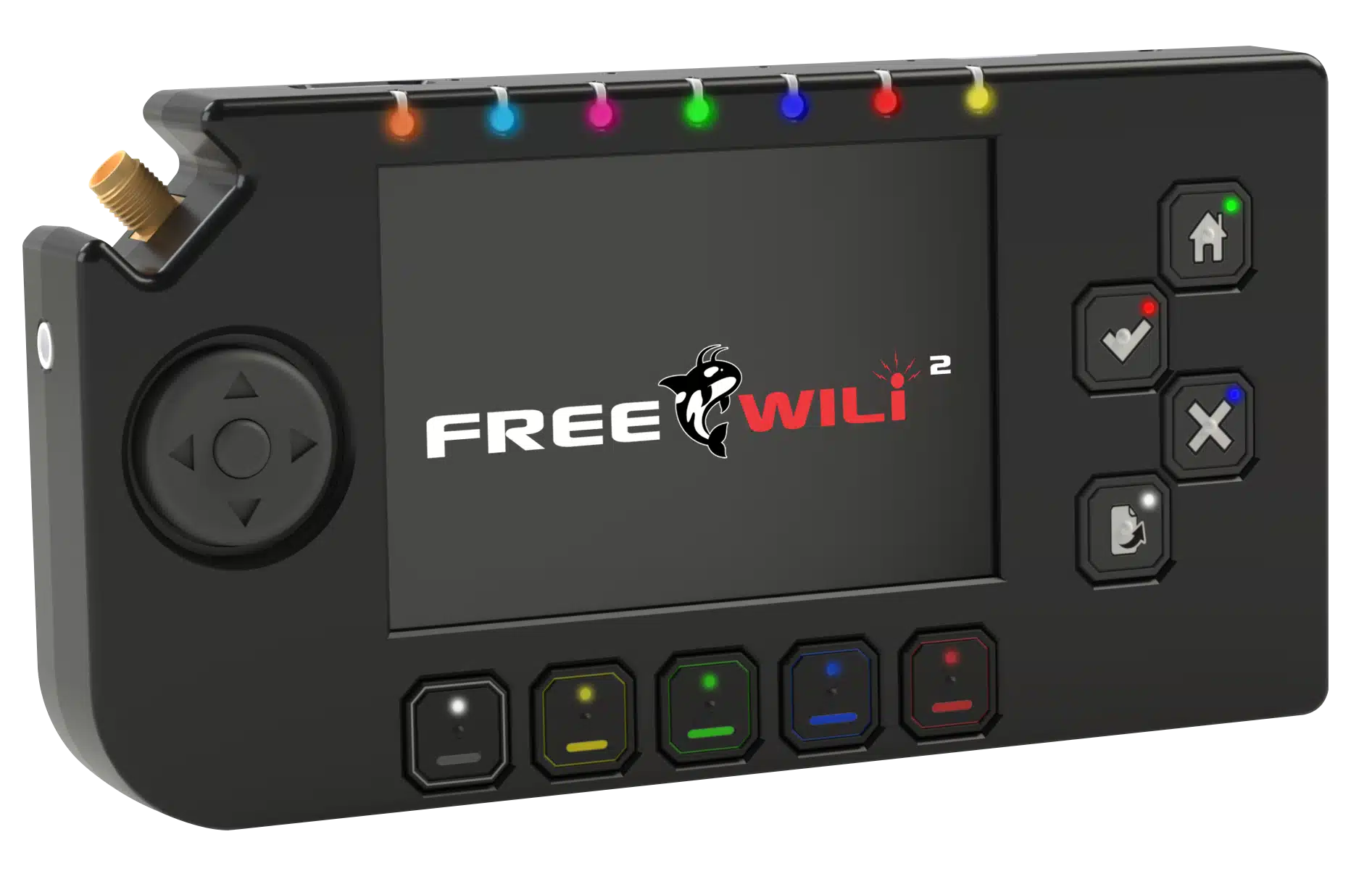
FREE-WILi 2 is an open-hardware electronics platform designed to put multiple development and measurement capabilities into a portable device. Its open approach covers the documented hardware interfaces, firmware and software development environment, allowing developers to create and load their own applications rather than being limited to the software supplied with the device. The platform also provides an onboard debug interface and SD-card-based application loading.
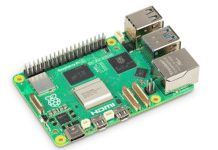
A key part of the project is its FreeWili 2 Board Support Package (BSP), which is available on GitHub under the MIT licence. The repository contains a CMake-based library, example applications, a command-line tool for building and flashing software, documentation and tests. Developers can use it to work with the device’s RP2350B processor and peripherals, including its display, touch interface, LEDs, audio, sensors, infrared and sub-GHz radio.
The open software stack also makes it possible to develop applications independently of the default firmware. Developers can build applications, test logic on a host computer and load compiled UF2 files from an SD card. The BSP documents the board’s hardware and pin configuration, while its driver implementations and example applications provide starting points for developing new functionality. This makes the platform more accessible for developers who want to adapt the hardware for their own electronics projects.
The community can also build specialised applications on top of the platform. For example, an open-source sub-GHz analyser and signal monitor has been developed for FREE-WILi 2, using its CC1101 radio, display and RP2350B processor. Its source includes build tools and host-side tests, demonstrating how the hardware can be extended through community-developed software rather than relying solely on applications from the original developer.
FREE-WILi 2 combines this open development model with a broad set of hardware interfaces, including RP2350 processors, an ESP32-C5, FPGA resources, wireless radios, sensors, GPIO, analogue interfaces and a touchscreen. The project’s documentation and source repositories give developers access to the software and hardware interfaces needed to experiment with these components. This combination makes the platform less of a fixed electronics gadget and more of an open, programmable hardware platform that makers can modify and build upon.
For more information, click here.