

















































Solo developer Elie Habib has released World Monitor under the AGPL-3.0 licence, giving researchers, journalists and analysts a free, self-hosted OSINT platform that aggregates hundreds of public intelligence feeds.
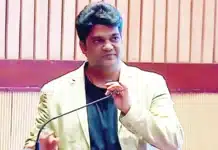
World Monitor, a new open-source intelligence (OSINT) platform released under the AGPL-3.0 licence, is offering a transparent, self-hosted alternative to proprietary situational-awareness platforms. Created by solo developer Elie Habib and published on GitHub under the username koala73, the software allows users to inspect, modify and self-host its source code in line with AGPL-3.0 requirements.
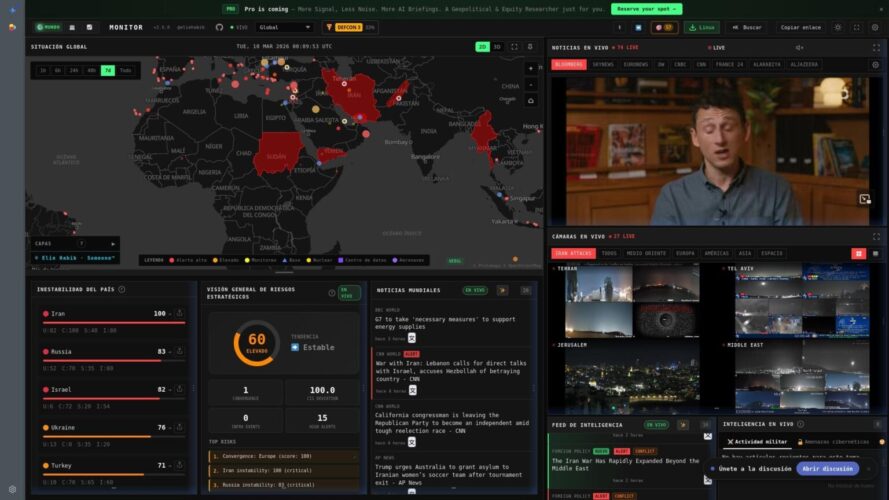
The browser-based platform combines live news, military tracking, cyber events, aviation, shipping, finance, energy, climate and infrastructure monitoring into a single dashboard. According to its GitHub repository, World Monitor aggregates data from more than 65 external providers and APIs, delivers over 500 curated intelligence feeds and monitors 35 source groups through a freshness monitor.
Built with Tauri 2, the software is available as a native desktop application for macOS, Windows and Linux. It supports 25 languages, including native-language feeds and right-to-left text, and requires no environment variables for basic operation, although some optional data sources require separate credentials.
The project is aimed at OSINT researchers, intelligence analysts, journalists, researchers and users seeking a subscription-free, self-hosted situational-awareness platform. A separate commercial licence is also available.
The project gained attention after developer Ihtesham Ali wrote, “Palantir sells governments a war room that costs millions a year. So, a guy named Elie just rebuilt it, put it on GitHub, and gave it away. It’s called World Monitor.”
While comparisons with Palantir have fuelled interest, World Monitor distinguishes itself through transparent, openly auditable code built entirely on public data sources. Its long-term reliability, however, remains to be demonstrated.