


























































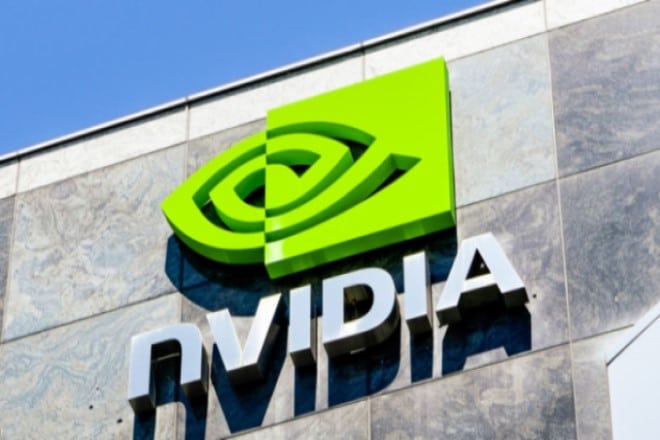

NVIDIA’s acquisition of SchedMD has placed Slurm, the open-source scheduler behind 60% of global supercomputers, at the centre of a neutrality debate over whether control of critical AI infrastructure could tilt future chip competition.
NVIDIA’s acquisition of SchedMD, the company behind the open-source workload manager Slurm, has sparked industry-wide scrutiny over whether the AI chip leader could gain structural influence over one of the most critical software layers in modern AI and high-performance computing.
The concern carries weight because Slurm powers roughly 60% of the world’s supercomputers, making it a foundational open-source scheduling layer for large language model training, GPU cluster orchestration, weather forecasting, government and national security systems, and large-scale enterprise AI workloads. Major AI companies, including Meta Platforms, Anthropic, and Mistral AI, rely on it for parts of their infrastructure.
At the heart of the debate is the risk of vendor bias through open-source stewardship. Industry observers fear the software could see NVIDIA-first optimisation, faster feature rollouts for NVIDIA GPUs, and superior performance tuning on NVIDIA systems, while rivals such as Advanced Micro Devices and Intel face delayed parity. These concerns are amplified by precedent from NVIDIA’s earlier Bright Computing acquisition, where some users reported stronger optimisation on NVIDIA hardware.
NVIDIA, however, maintains that Slurm will remain open-source and vendor-neutral, arguing that its resources will accelerate development for a broader ecosystem of AI companies, research institutions, and government labs.
“We’re thrilled to join forces with NVIDIA, as this acquisition is the ultimate validation of Slurm’s critical role in the world’s most demanding HPC and AI environments,” said Danny Auble, CEO, SchedMD.
The move is now emerging as a long-term trust test for open-source governance, where control of the scheduling plane could indirectly shape future AI chip adoption decisions.