



















































Zig’s strict no-LLM contribution policy blocks Bun’s 4× performance gain from upstreaming, forcing a fork and spotlighting a growing divide between human-led open source and AI-driven development.
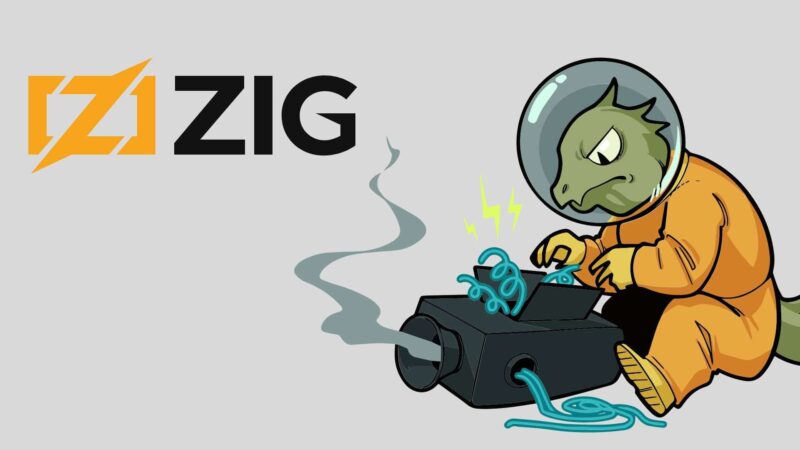
The Zig Software Foundation has reinforced a categorical ban on LLM-generated contributions across its ecosystem, prohibiting AI use in issues, pull requests, and even bug tracker comments, including translations. The policy leaves no room for exceptions, allowing maintainers to reject contributions purely on suspected LLM involvement without debating technical merit.
The impact is immediate and tangible. Bun, owned by Anthropic, has declined to upstream a roughly fourfold improvement in its Bun-compile performance. The enhancement—enabled by AI-assisted development—conflicts with Zig’s rules, leaving the gains confined to a downstream fork.
This marks the first high-profile enforcement of Zig’s policy, shifting it from principle to operational reality. It establishes a clear precedent: downstream projects must either comply or maintain independent forks.
That choice carries cost. Bun now absorbs long-term maintenance overhead, reconciling each upstream Zig update with AI-assisted changes that cannot be merged. With structural compiler modifications such as parallel semantic analysis and multiple LLVM code generation units, future integration complexity is expected to rise.
Loris Cro, VP of Community at Zig Software Foundation, framed the rationale: “The reason I call it ‘contributor poker’ is because… ‘you play the person, not the cards’. In contributor poker, you bet on the contributor, not on the contents of their first PR.”
Zig’s stance signals a broader governance direction, following its exit from GitHub over AI concerns. A clear divide is emerging: upstream ecosystems prioritising trusted human contributors, and downstream projects optimising for AI-driven productivity—raising a critical question for open source’s future trajectory.