


























































New AI models, simulation technologies, and developer tools aim to accelerate content creation, robotics, and physical AI workflows across graphics and digital environments.
NVIDIA announced a range of artificial intelligence (AI) and graphics technologies related to content creation, simulation, and robotics at SIGGRAPH 2026. The announcement includes open AI models, world simulation frameworks, agentic AI technologies, and graphics research designed to improve content creation, simulation, and deployment of virtual worlds.
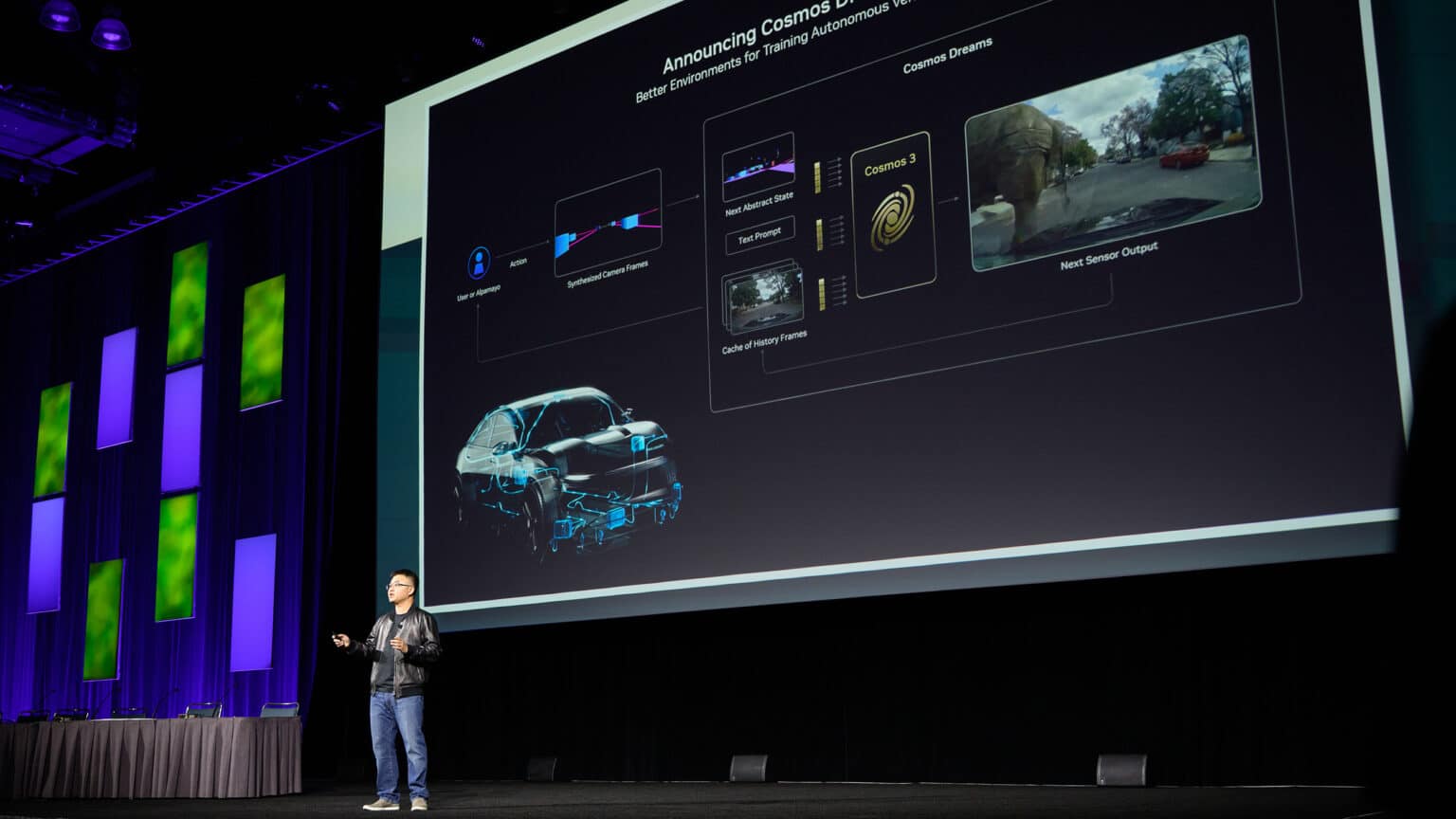
Notable AI-related technologies are Cosmos 3 Edge, which is a world model intended for running physical AI applications on edge devices. NVIDIA also introduced the Synthetic Video Detector NIM microservice and expanded Model Context Protocol (MCP) support that connects AI agents with creative applications to automate content creation and production.
In terms of graphics research, NVIDIA showcased advances in neural rendering, physics simulation, and world modelling. In particular, they presented the MotionBricks technology, which is a motion model trained on more than 350,000 motion clips and allows developers to generate and control realistic character motion while maintaining real-time interactive performance.
Furthermore, the firm expanded its agentic AI ecosystem with NemoClaw operating on DGX Station and the NVIDIA Agent Toolkit to help developers build AI agents that can create simulation-ready virtual environments by integrating generative AI with 3D creation and simulation workflows.
Apart from individual innovations, the announcement also highlighted NVIDIA’S broader strategy to combine graphics, AI, and simulation into a unified development platform. These technologies incorporate open AI models, real-time simulation, neural rendering, and agentic AI to support developers building applications within digital content creation, industrial digital twins, autonomous systems, and physical AI.