




















































An open-source climate logger combines an ESP32-S3, e-paper display, and low-power hardware to record long-term temperature and humidity data.
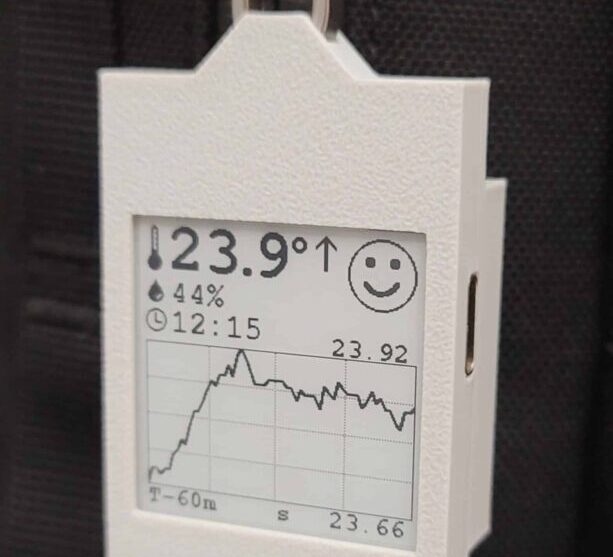
Weathergotchi is an open-source and battery-powered weather logger created by Michael Manning and Royyan Dzakiy. The device is built around the ESP32-S3 and collects temperature and humidity data, which is displayed on a 1.54-inch e-paper display in both real time and historical records. The project is released under the MIT license and includes all necessary hardware, firmware, PCB, and enclosure design documents.
The collected environmental data is stored in external EEPROM and will remain stored even after power is disconnected. The built-in RTC wakes up the ESP32-S3 periodically to measure new data and return the device to sleep mode. Together with battery monitoring and charging management, the device is able to operate for more than one week on a single small Li-Po battery.
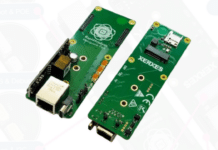
The device hardware is based on a custom-made PCB along with temperature/humidity sensor, RTC, battery gauge, and SPI-enabled e-paper display. The enclosure is 3D-printed using parametric OpenSCAD models. Full KiCad schematics and PCBs as well as the libraries and source code of the firmware are available.
Firmware development uses PlatformIO together with the Arduino development environment and takes care of sensor sampling, logging to EEPROM, display refreshment, button handling, charging operations, and power management. All necessary build instructions, hardware requirements, enclosure manufacturing, and programming information are provided, which makes the project ready for people interested in building and hacking the logger.
In addition, the developers mention current hardware issues and provide advice on how to troubleshoot them. They include difficulty calibrating the battery fuel gauge, unpredictable behavior at startup after battery connection, decreased display functionality at below-freezing temperatures, and inability to transfer data via wireless network, even though ESP32 chip supports Wi-Fi and Bluetooth protocols. The firmware at this stage concentrates on local data logging and on-device visualisation to save battery.
By open-sourcing all of its components firmware, PCB layout, CAD models, schematics, and documentation, Weathergotchi offers a fully working reference design for engineers and hobbyists, who want to build similar devices.