



























































Toku has publicly released Makimoto Kawa, Singapore’s first open-source sovereign conversational AI infrastructure, giving developers a production-ready transcription API designed for APAC data residency and regulatory compliance while opening more of its AI stack through 2026.
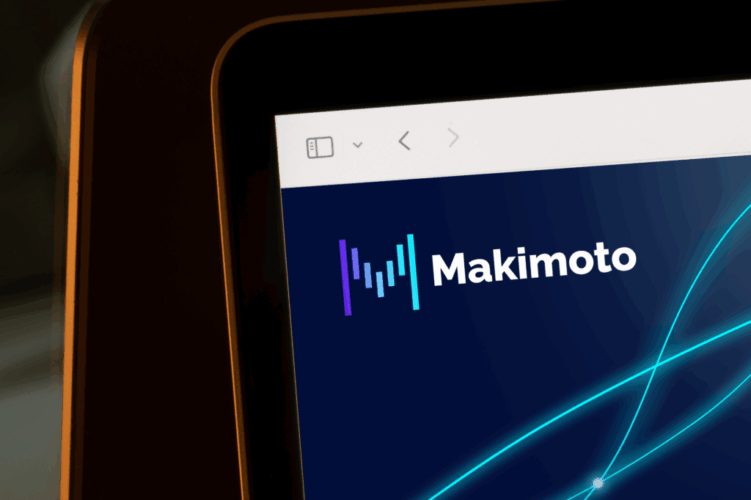
Toku has publicly launched Makimoto Kawa (Kawa), the first production release of its Makimoto open-source conversational AI initiative and what it describes as Singapore’s first open-source conversational AI infrastructure. Built and hosted in Singapore, Kawa is designed for organisations operating under APAC regulatory and data residency requirements.
The initial release provides developers with a production-ready post-conversation transcription API and an open-source interactive playground. It fulfils the roadmap Toku announced in April 2026, delivering Kawa by its promised 1 July launch date.
Designed as sovereign AI infrastructure, Kawa keeps customer audio recordings and transcripts within Singapore to support compliance with the country’s Personal Data Protection Act (PDPA), Monetary Authority of Singapore (MAS) guidelines and other regulated industry requirements. The platform combines open-source development with enterprise-grade deployment for regulated sectors.
Developers receive 1,000 free transcription minutes each month. Current capabilities include post-call and voicemail transcription, recorded conversation processing, archived interaction analysis, speaker separation and segment-level timestamps. A real-time transcription API supporting live voice agents, captioning and in-conversation analytics is planned later this year.
A key feature is Kawa’s composable orchestration layer, enabling developers to replace speech-to-text models, audio pre-processing components and other pipeline elements without rebuilding the entire system. Toku also plans to progressively open-source additional layers of the technology stack through 2026, while maintaining separate community and enterprise editions.
“We committed in April to putting Kawa in developers’ hands by 1 July, and today we have. Models are becoming a commodity, and the cycles are getting shorter, so today’s best choice is next year’s legacy. The advantage that endures is a composable orchestration layer that lets you replace and upgrade components without rebuilding the system each time, and that work, in the open, is what Makimoto is for,” said Thomas Laboulle, Founder and CEO, Toku.