



























































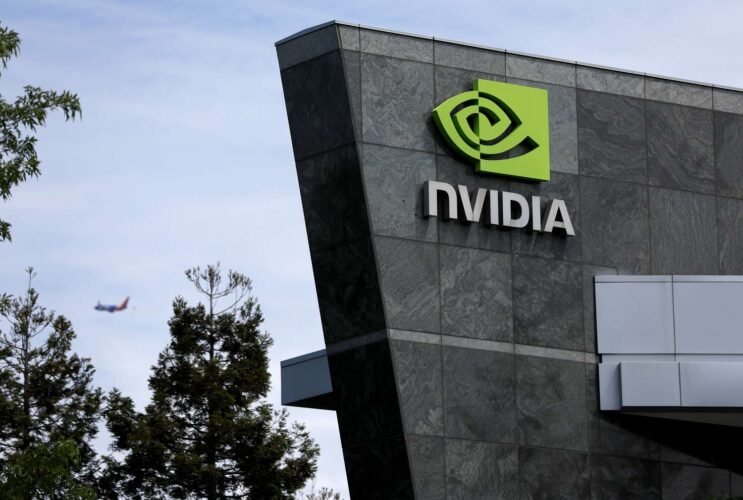

NVIDIA has posted patches introducing a vGPU manager and a VFIO variant driver for its developing open-source Nova graphics driver, targeting virtualised GPU workloads.
NVIDIA continues to expand the capabilities of its open-source Nova kernel graphics driver for Linux. The company has posted a series of 13 patches introducing an NVIDIA vGPU manager and a VFIO variant driver, extending the functionality being developed around the upstream Nova driver.
The new patches are designed to enable vGPU management, allowing a physical GPU to support virtualised workloads. They also add support for VFIO users working with QEMU, enabling GPU virtualisation for both Linux and Windows guest operating systems while using the upstream Nova kernel driver.
VFIO is commonly used in Linux virtualisation environments to provide virtual machines with more direct access to hardware. In this case, the new NVIDIA work is aimed at integrating virtual GPU functionality into the Nova driver stack rather than relying solely on separate proprietary driver components.
However, the initial support is expected to focus primarily on NVIDIA’s workstation and data-centre GPUs, rather than consumer GeForce graphics cards. The patch series provides an early indication of how NVIDIA plans to support virtualised GPU workloads as development of the open-source Nova driver continues.
The Nova driver is still under development and is not yet ready for general end-user deployment in the mainline Linux kernel. Nevertheless, the addition of vGPU management and VFIO support shows NVIDIA continuing to build functionality around its open-source Linux graphics driver, with future developments expected to expand its role in the company’s Linux GPU software ecosystem.