























































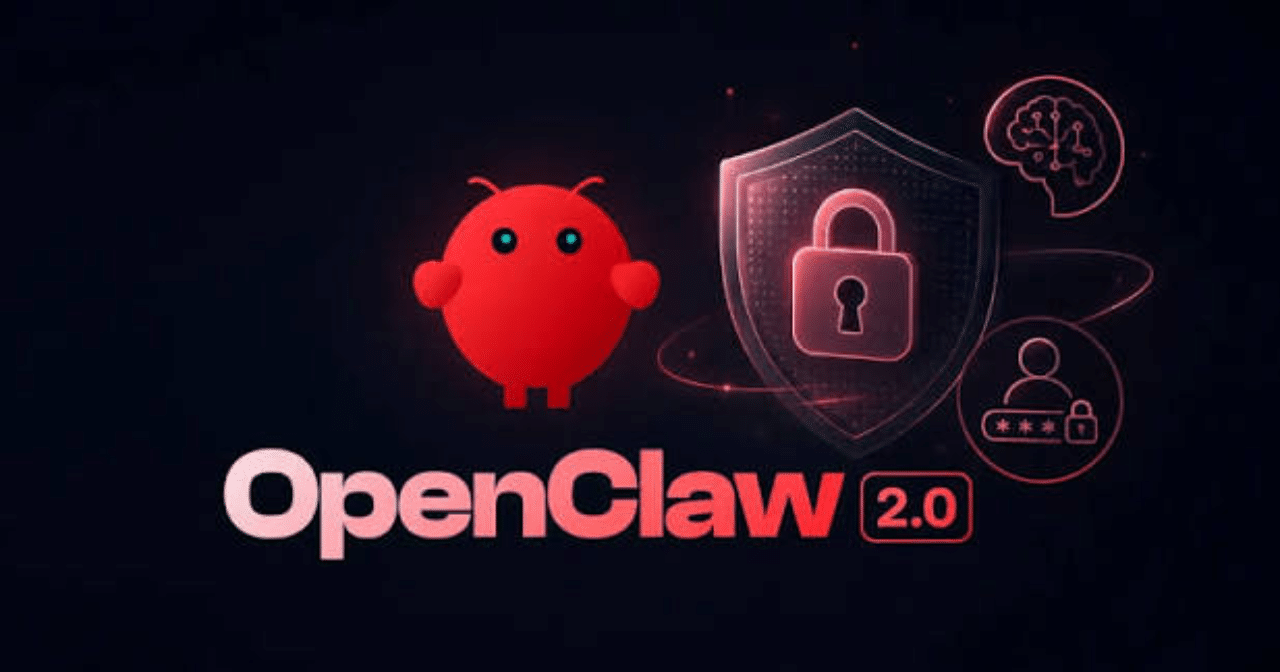

OpenClaw 2.0 introduces guided setup, a redesigned browser workspace and shared cloud sessions while changing how the open-source AI agent stores and manages conversations.
OpenClaw has released version 2026.8.1, described as OpenClaw 2.0, with major changes to the setup and operation of its open source personal AI agent. The update introduces a more guided onboarding process, expands the role of the browser interface and adds shared cloud sessions that allow authorised users to continue work through the same Gateway.
The new setup process can detect supported AI access already available on a user’s machine, including existing ChatGPT or Claude command-line sign-ins, API keys, configured model routes and compatible local models running through Ollama or LM Studio. OpenClaw tests the selected route with an actual completion request before saving the configuration, helping users confirm that their chosen model connection works correctly.
OpenClaw 2.0 also makes its browser application a central workspace for conversations, settings and ongoing agent activities. Users can return to existing work and monitor agent actions through the browser, while the Gateway continues to hold the main conversation state, credentials, permissions and other durable information.
A significant technical change involves session storage. Existing file-based sessions and transcripts can be migrated to SQLite during the update process. The migration includes an archive for older records, although sessions created after moving to SQLite will not automatically be visible when reverting to an earlier file-based version.
The release also introduces shared cloud sessions, allowing authorised collaborators to join or take over work stored by a Gateway. Remote workers can execute tasks using the shared session state without directly receiving provider credentials. OpenClaw’s role and permission system controls access, although the project makes clear that users sharing a Gateway remain within the same trust domain rather than operating in fully isolated environments. The update also includes a more limited Incognito mode that keeps certain conversation data in memory until the Gateway restarts, without preventing external tools or AI providers from processing information.
For more information, click here.