
























































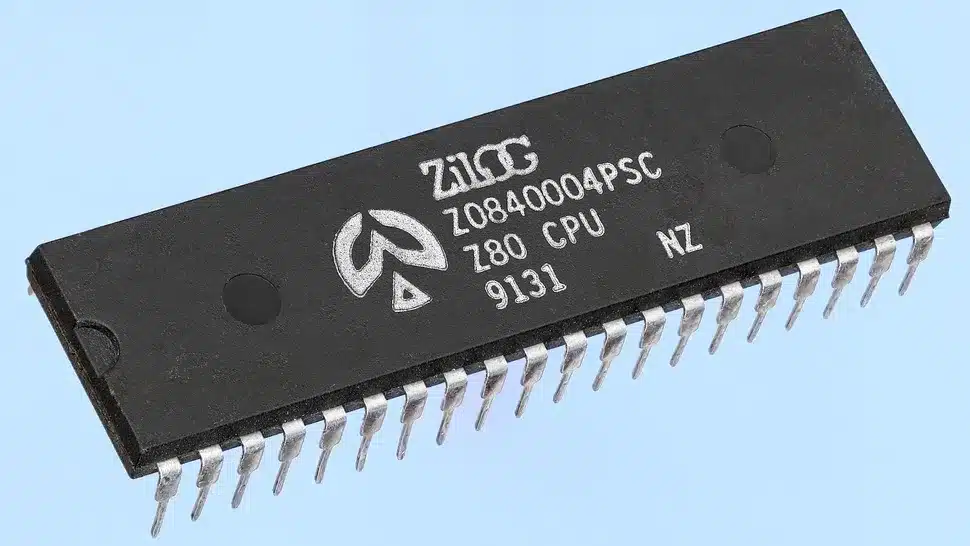

A community-driven project has produced working silicon for an open source replacement of the classic Z80 processor, aiming to preserve legacy systems with a pin-compatible drop-in chip.
An open source hardware initiative has successfully demonstrated working silicon for a replacement of the Zilog Z80 microprocessor. The purpose of the project is to develop a new pin-compatible replacement chip for old computers and embedded devices that use the legendary 8-bit microprocessor following the discontinuation of the original processor family.
The Zilog Z80 was introduced in 1976. It became one of the most widely used 8-bit processors ever developed. The Zilog Z80 processor was used in computers like the ZX Spectrum, TRS-80, MSX, Sega Master System, Game Boy, among others. Its popularity was driven by compatibility with the Intel 8080 instruction set and its built-in DRAM refresh circuitry.
The FOSS Z80 chip project went through several fabrication runs and has now produced functional silicon. The initial versions of the chip were fabricated via Tiny Tapeout and later fabrication services, and the current one targets the original 40-pin DIP package, allowing it to replace existing Z80 processors without making any hardware changes.
The processor is based on the TV80 Verilog core and uses complementary metal-oxide-semiconductor (CMOS) technology. According to the developers of the processor, it is expected to support clock speeds of up to 50MHz, which is significantly faster than the speed of the original NMOS device but it still provides software compatibility with Z80-based programs.
The project could prove useful for those involved in retro-computing, educational platforms and for engineers who maintain old computers. Indeed, with the declining availability of Z80 processors and discontinuation of parts of Zilog’s processor portfolio, such a chip may be helpful for prolonging the service of existing computers and maintaining compatibility with decades-old software and hardware.