



















































Pinterest is leveraging open source AI within a hybrid model stack to slash costs by 90% while maintaining performance, signalling a decisive shift away from expensive closed systems.
Pinterest is positioning open-source AI as a core driver of cost-efficient scalability, adopting a model-agnostic strategy that blends proprietary systems with closed models from OpenAI and Anthropic, alongside open-source models from Alibaba.
This hybrid approach has delivered a significant breakthrough: AI-driven experiences now cost nearly 90% less than when relying solely on proprietary models. Open-source models play a central role, powering visual and content understanding, data labelling, and assistant functions, while enabling deeper customisation at lower cost.
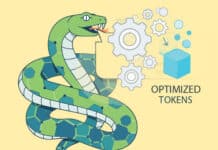
The shift reflects a broader industry recalibration as companies grapple with rising token costs and infrastructure demands. “This token cost is going to slow you down if you don’t start managing them proactively. Open-source will be a really good option,” said Lan Guan, Chief AI and Data Officer at Accenture.
Pinterest allocates workloads strategically—proprietary models for personalisation, open-source for cost-effective multimodal tasks, and closed-source for high-performance use cases. Its deployment includes Alibaba’s Qwen LLM for content processing and AI assistants, while OpenAI and Anthropic models support product features and internal operations.
This blended architecture underpins new features such as auto-collages and voice-enabled AI search. “Search has been evolving so fast. It was imperative for us to use AI to improve,” said Vicky Gkiza, Vice President of Product Management.
To sustain this shift, Pinterest is investing in AI talent, infrastructure, and GPUs—cementing open-source AI as a foundational lever for efficiency, flexibility, and long-term return on investment.